Home / Environment / Silent Invader: Asian Swamp Eel Devours Florida's Native Wildlife
Silent Invader: Asian Swamp Eel Devours Florida's Native Wildlife
25 Aug
Summary
- Asian swamp eels, first seen in Florida in 1997, now threaten the northern Everglades.
- The invasive fish has drastically reduced populations of crawfish, frogs, and small fish.
- Experts consider the eel potentially more destructive than the Burmese python to wetlands.
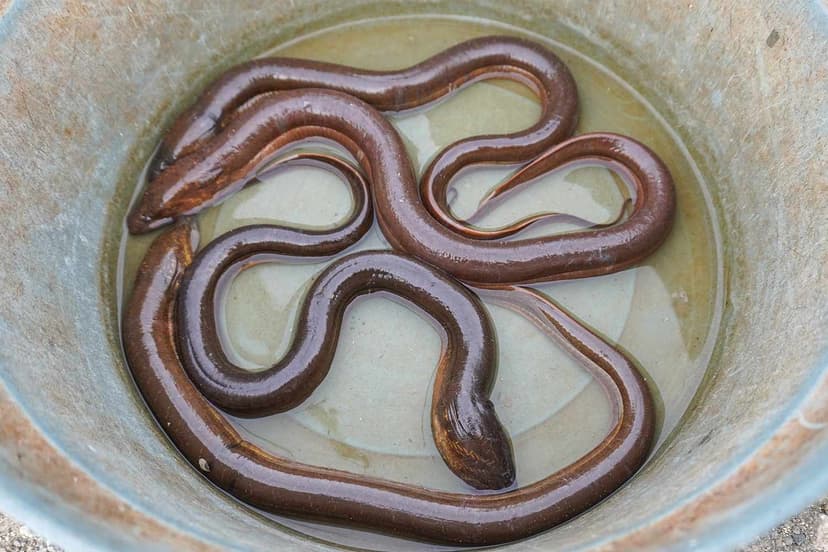
The delicate ecosystem of Florida's wetlands is under severe threat from the invasive Asian swamp eel. First identified in freshwater canals in 1997, this air-breathing fish has spread to the northern Everglades, notably impacting the Arthur R. Marshall Loxahatchee National Wildlife Refuge. Researchers discovered the eels in the refuge in 2025, with evidence suggesting their arrival the previous year.
These resilient eels have significantly reduced the populations of native species like crawfish, frogs, and small fish. Southern leopard frogs, once common, have disappeared south of I-75 due to the eel's presence. The U.S. Fish and Wildlife Service has classified the Asian swamp eel as 'High Risk' due to its invasive history and adaptability, including its ability to burrow during dry conditions.
Experts like aquatic ecologist Nathan Dorn and wildlife ecology professor Frank Mazzotti express grave concerns, stating there is currently no effective method for removal. Dorn even suggested this eel could be the most destructive invasive species Florida has encountered, surpassing the impact of the Burmese python on the wetlands. The eels are believed to have escaped from breeding ponds or been released by fishermen, posing a continued risk of spreading to other areas.


