Home / Environment / Florida Bears Roar Back: A Panhandle Success Story
Florida Bears Roar Back: A Panhandle Success Story
11 Mar
Summary
- Apalachicola black bear subpopulation shows an 11.9% annual growth rate.
- Higher survival rates for adult females and cubs drive population increase.
- Conservation efforts and protected habitats are key to bear recovery.
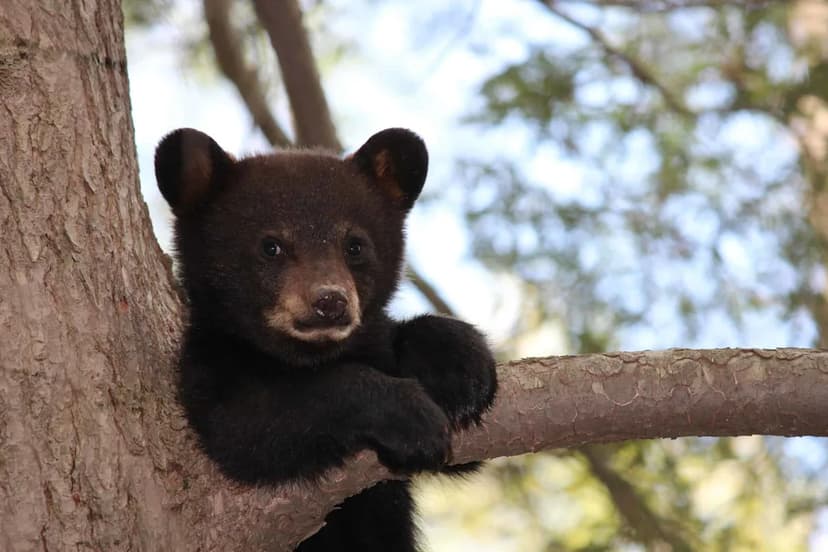
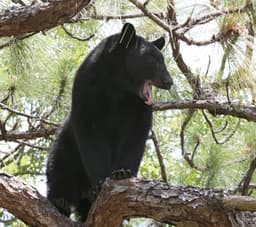
The Apalachicola region in Florida's Panhandle is witnessing a significant resurgence in its black bear population. A recent study published in The Journal of Wildlife Management revealed an impressive annual growth rate of 11.9% for the Ursus americanus floridanus subspecies. This rapid increase is primarily linked to exceptional survival rates among adult female bears (91.5%) and cubs.
Researchers attribute this success to decades of conservation, including a ban on bear hunting in 1994 and the establishment of ample protected habitats. These measures ensure bears have undisturbed areas for foraging on insects and vegetation. The study tracked bears using GPS collars between 2016 and 2019, adapting methods for Florida's climate where bears do not hibernate.
While the Apalachicola subpopulation thrives, this growth is not uniform across Florida's seven black bear subpopulations, which total around 4,000 individuals. Other regions, like Osceola, face different challenges, with one subpopulation shrinking by two-thirds in the past decade. Conservationists are working to inform future hunting quotas and conservation strategies based on such studies.