Home / Environment / Florida Gators: Urban Neighbors?
Florida Gators: Urban Neighbors?
1 Aug
Summary
- Human development pushes gators into urban areas, creating conflict.
- Canals act as 'gator turnpikes,' leading them into neighborhoods.
- Feeding alligators is illegal and dangerous, causing them to lose fear.
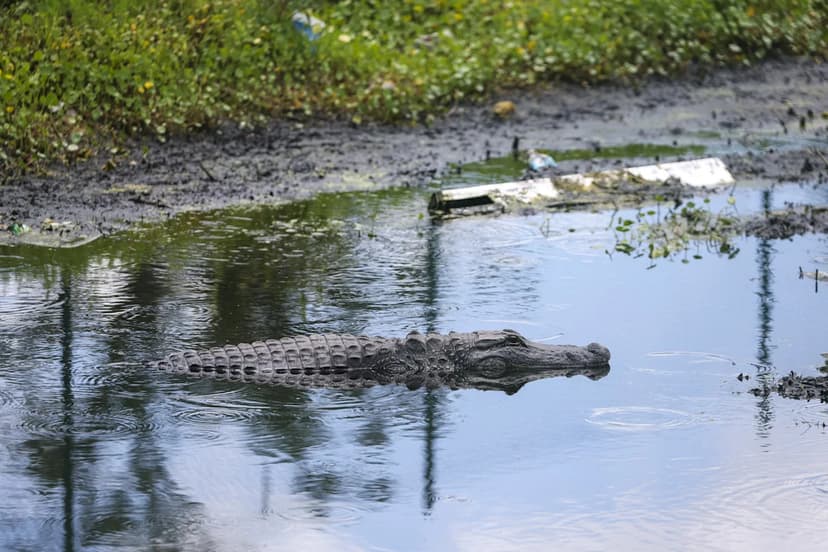
South Florida faces increasing human-alligator interactions as development encroaches on natural habitats and creates artificial waterways. These new environments, like stormwater ponds and canals, are drawing alligators into urban settings, leading to documented attacks and a rise in removal calls. In the first seven months of 2026, hundreds of alligator removal calls were received in Miami-Dade and Broward Counties alone.
Wildlife experts explain that canals act as conduits, referred to as 'gator turnpikes,' allowing these animals easy access to neighborhoods, pools, and even under vehicles. While alligators naturally avoid humans, feeding them causes them to lose this fear and associate people with food, a dangerous behavior that is illegal in Florida. This practice can transform a natural fear into a potential hazard.
When problematic alligators over four feet long exhibit aggression, they are typically removed by licensed trappers. Relocation is not an option due to their homing instincts and potential to cause issues elsewhere. Most captured alligators are euthanized, with their meat and hide sold, while very few find homes in zoos. The FWC emphasizes education and responsible coexistence, reminding residents that alligators are original inhabitants with a right to be there.


