Home / Environment / Florida's War on Feral Pigs Escalates: Aerial Hunt Begins
Florida's War on Feral Pigs Escalates: Aerial Hunt Begins
17 Jan
Summary
- Aerial operations against feral hogs will close parts of St. Marks Refuge.
- Florida ranks fifth nationally with an estimated half million feral hogs.
- Feral hogs pose a biological threat, carrying diseases and damaging ecosystems.
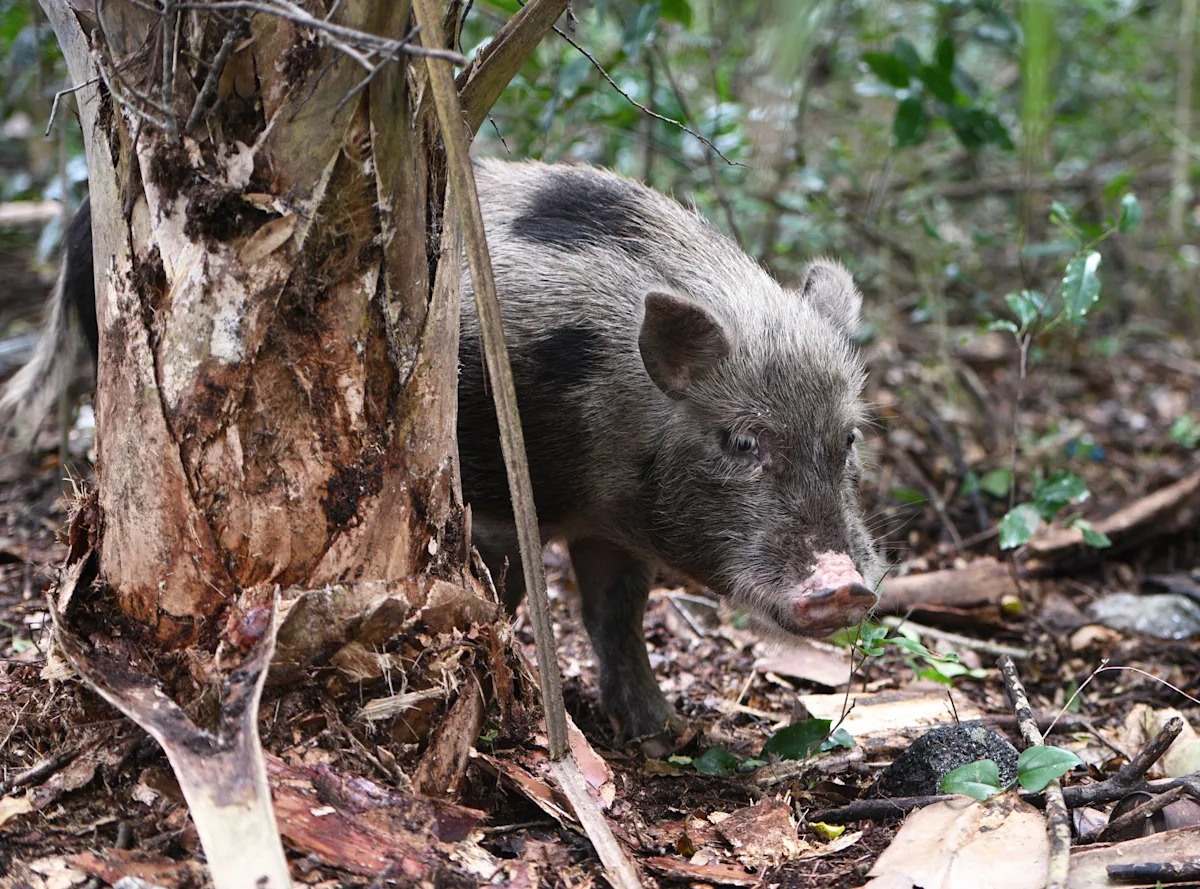
In an escalating effort to control invasive feral hog populations, Florida wildlife officials have initiated aerial operations within a section of the St. Marks National Wildlife Refuge. Beginning January 20, 2026, parts of the refuge and a national scenic trail will be temporarily closed to facilitate these airborne management efforts. This move targets areas with limited access, such as coastal marshes, where hogs are prevalent.
Florida grapples with an estimated half million feral hogs, ranking fifth nationally for this invasive species. Introduced centuries ago, these animals have no natural predators and reproduce rapidly. They pose a severe ecological threat by outcompeting native wildlife for food, consuming fawns and eggs, uprooting vegetation, and polluting water sources. They are also carriers of diseases like Swine Brucellosis and Pseudorabies.
The U.S. Fish and Wildlife Service, alongside the USDA's National Feral Swine Damage Management Program, is conducting this operation. The goal is to eliminate as many hogs as possible, leaving carcasses for natural scavengers. This intensive culling method highlights the severity of the feral hog problem across all 67 Florida counties and the ongoing challenge of managing invasive species.