


Home / Environment / Seafood's Dirty Secret: Ethical Crisis Under the Waves
Seafood's Dirty Secret: Ethical Crisis Under the Waves
9 Apr
Summary
- Millions of fish died in aquaculture, with regulations ignored.
- Bottom trawling causes profound environmental damage.
- Fish experience pain; welfare concerns are often overlooked.
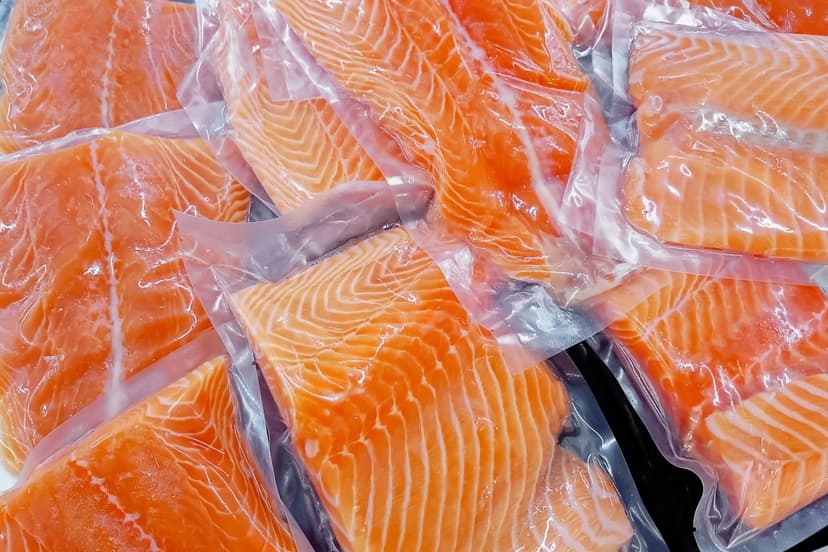
Fish, long promoted for health benefits and as an eco-friendly alternative to meat, faces increasing ethical and environmental criticism. Recent figures show millions of fish deaths in aquaculture over three years, with widespread disregard for regulations. Critics label protected marine areas as "protected only on paper" as significant fishing continues within them.
While fish offers essential nutrients like protein and omega-3s, its sustainability is now questioned. Practices like bottom trawling devastate seabed life and release substantial carbon emissions, comparable to entire countries' annual output. Farmed salmon can generate higher emissions than chicken, relying on wild fish feed.
Animal welfare is also a major concern, with scientific consensus indicating fish experience pain. However, their underwater environment and perceived distance from humans mean practices causing distress, such as parasitic infestations and painful treatments in aquaculture, often go unnoticed and unregulated.
Consumers face challenges in making informed choices due to vague sourcing labels. Experts advise prioritizing clear information on species, origin, and catch methods. Until fishing and aquaculture systems face greater scrutiny akin to land animals, seafood remains a complex ethical dilemma despite its nutritional value.
