Home / Environment / Tiny Stowaways Unleash Fire Ant Fury
Tiny Stowaways Unleash Fire Ant Fury
19 Jul
Summary
- Red ants, native to South America, arrived via ballast soil in the 1930s.
- Invasive fire ants cause over $6 billion in annual damages.
- They harm agriculture, infrastructure, and native ecosystems.
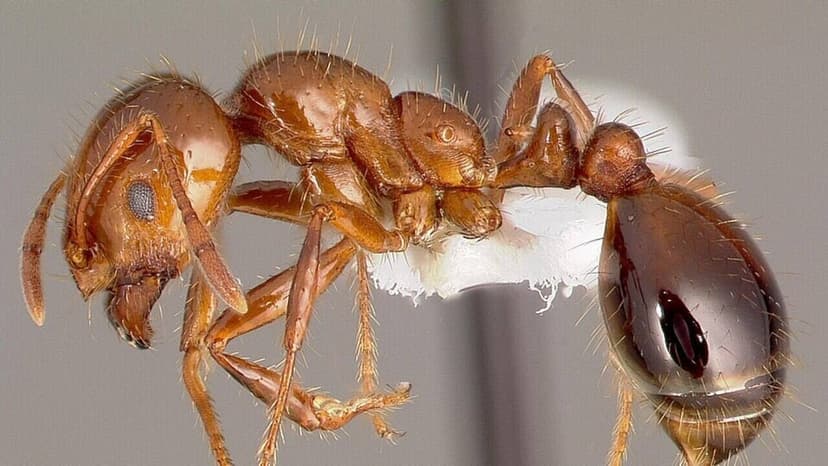
Arriving in the United States in the late 1930s, reddish-brown ants from South America were inadvertently transported via ballast soil in cargo ships. These stowaways found Alabama's climate hospitable, and their population rapidly expanded due to a lack of natural predators.
Now considered a harmful invasive species, the red imported fire ant (Solenopsis invicta) has spread across much of the southern United States. Their presence causes significant economic and ecological disruption. The U.S. Department of Agriculture estimates annual costs exceeding $6 billion for control and damage repair.
These adaptable ants build large mounds and deliver painful stings. Beyond the immediate discomfort and potential allergic reactions, they damage agricultural crops, injure livestock, and interfere with harvesting equipment. Their mounds also obstruct machinery and reduce pastureland usability.
Furthermore, fire ants pose a threat to electrical infrastructure, damaging traffic signals and utility boxes. They also impact native wildlife by preying on smaller animals and competing for resources. Managing these invasive ants remains a significant challenge.


