Home / Environment / Rethink Your Drink: Filtered Tap Water Beats Bottled
Rethink Your Drink: Filtered Tap Water Beats Bottled
31 Jan
Summary
- Some bottled waters contain far less disinfection byproducts than tap water.
- Disinfection byproducts may pose a greater health threat than PFAS.
- Filtering tap water could offer a safer, cheaper, and greener alternative.
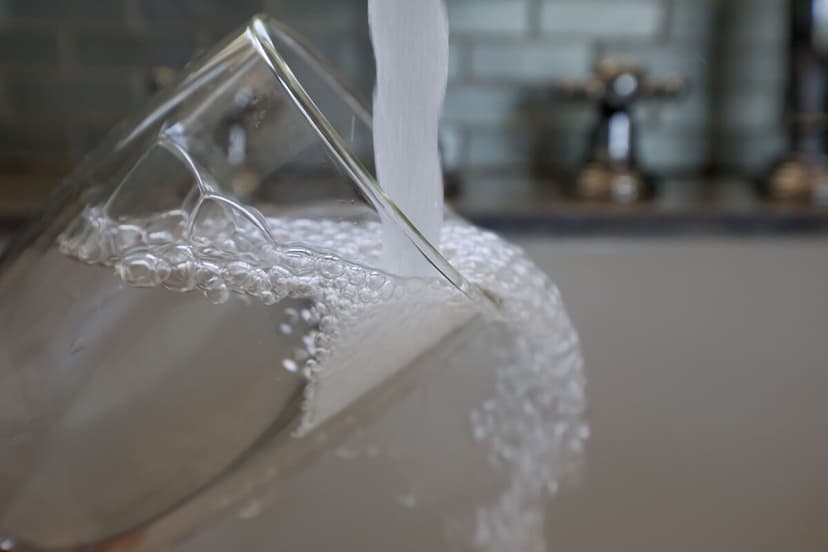
Concerns surrounding bottled water often overlook the quality of tap water. A recent study in Water Research revealed that while some bottled water brands effectively filter chemicals, tap water frequently contains higher concentrations of disinfection byproducts. These byproducts, formed when disinfectants react with natural substances in water, are considered by some scientists to be a significant health risk.
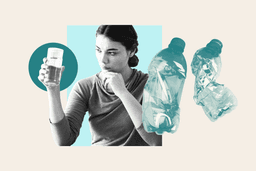
Chemist Susan Richardson, who led the study, advocates for home filtration systems, suggesting that improved tap water quality could diminish the appeal of bottled water. The environmental impact of bottled water, including plastic waste and microplastic pollution, is a significant concern, prompting a re-evaluation of drinking water choices.
Disinfection byproducts occur at much higher concentrations than PFAS (forever chemicals) and are linked to potential toxicity and carcinogenicity. While some studies show no health risks from tap water, others tie these byproducts to increased cancer risk and reproductive issues. Therefore, enhancing tap water filtration is presented as a more practical solution than individual chemical regulation.