Home / Environment / Fenland Drained Land Now Thriving Wildlife Haven
Fenland Drained Land Now Thriving Wildlife Haven
3 Mar
Summary
- 296-acre former farmland in The Fens has been rewet to create a peatland.
- The project aims to restore habitats for species like lapwing and water voles.
- Less than 2% of the original 988,421-acre wetlands in The Fens remain.

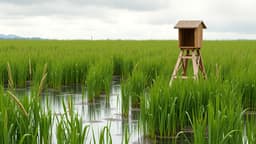
A significant rewetting project is underway at Lakenheath Fen, in Suffolk, transforming 296 acres of former farmland into a vibrant peatland. This initiative by the Royal Society for the Protection of Birds (RSPB) aims to create a sanctuary for threatened wildlife. The area, part of The Fens formed 10,000 years ago, had been drained over centuries, leaving less than 2% of the original wetlands intact.
The Lakenheath Fen Nature Reserve, established in 1995, now encompasses reed beds, marshes, and woodlands. Recent efforts, funded by Natural England and others, focus on restoring shallow water habitats. This is crucial for species like the red-listed lapwing, redshank, and oystercatcher, whose populations have seen significant declines. Water voles, one of Britain's fastest-declining mammals, are also expected to benefit.
Infrastructure including dams and water pumps has been installed to manage water levels effectively, retaining rainfall. These efforts are already showing promise, with sightings of various bird species including marsh harrier and cattle egret. The RSPB emphasizes the urgent need to rewet these peaty soils to prevent their loss within the next 50 years, highlighting their dual benefit for wildlife and carbon storage.