Home / Environment / Global Wildfire Risk Surges: Hot, Dry, Windy Days Triple
Global Wildfire Risk Surges: Hot, Dry, Windy Days Triple
19 Feb
Summary
- Days with extreme wildfire weather conditions have nearly tripled globally.
- Human-caused climate change is responsible for over half this increase.
- The Americas, especially southern South America, see dramatic rises.
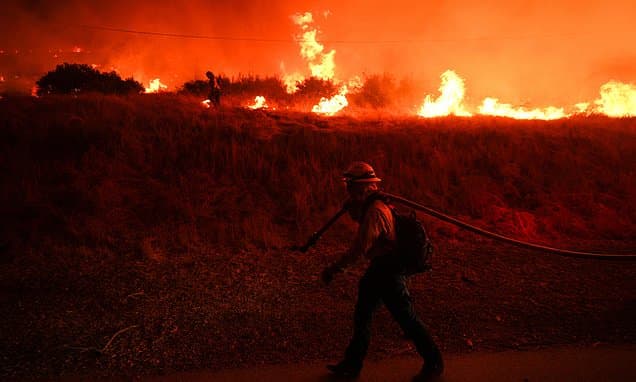
Across the globe, the number of days conducive to extreme wildfires has nearly tripled in the last 45 years. These conditions, defined by heat, dryness, and strong winds, are becoming increasingly synchronized worldwide, meaning multiple regions face heightened fire risk simultaneously. Researchers attribute over 60% of this global increase in synchronous fire weather days to climate change driven by the burning of fossil fuels.
The Americas have seen a particularly sharp rise. While the continental United States averaged 7.7 such days annually in the late 1970s and early 1980s, this figure climbed to 38 days per year in the last decade. Southern South America has experienced an even more significant escalation, rising from an average of 5.5 days per year to 70.6 days annually over the past decade, with 118 days recorded in 2023 alone.
These trends present significant challenges, as overlapping fire seasons reduce the availability of resources for suppression. Only Southeast Asia, which has become more humid, saw a decrease in synchronous fire weather days. The study's findings highlight the escalating global risk and the critical role of climate change in exacerbating these dangerous conditions.