Home / Environment / Summer Swelters: Heat, Smoke, and Bugs Bite Back
Summer Swelters: Heat, Smoke, and Bugs Bite Back
3 Sep
Summary
- July was the hottest month on record in the contiguous US.
- Tick season is worsening, expanding northward with milder winters.
- Harmful algae blooms are closing lakes due to hotter temperatures.
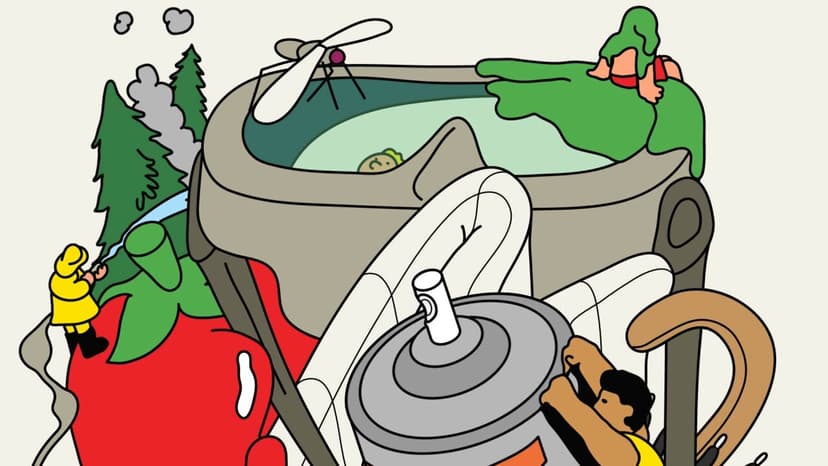
This past summer, extreme weather patterns intensified by climate change significantly disrupted routines and amplified discomfort. July recorded the highest average temperature in the contiguous United States, with many regions experiencing prolonged heatwaves that led to event cancellations and altered daily schedules. Day camps and outdoor sports programs adapted to the severe heat, with some areas seeing temperatures exceed 100 degrees Fahrenheit.
The warming climate is also contributing to an increase in disease-carrying pests. Milder winters allow tick and mosquito populations to thrive and expand their geographic range, posing increased health risks, such as Lyme disease and alpha-gal syndrome. Warmer water temperatures in lakes and oceans are creating further problems. Harmful algae blooms are leading to lake closures, while rising sea surface temperatures in places like Florida are contributing to excessive sargassum seaweed and impacting marine life.
Wildfire smoke has also become a significant summer issue, blanketing various parts of the country and forcing indoor closures for health reasons. Even once-reliable sources of summer relief, like swimming in lakes or the ocean, are becoming problematic due to pollution and dangerous bacteria. Communities are increasingly contending with sudden, powerful rainstorms and flash floods, highlighting the pervasive impact of climate change on seasonal experiences.


