Home / Environment / Extreme Heat Grounds Flights: Thin Air Creates Takeoff Chaos
Extreme Heat Grounds Flights: Thin Air Creates Takeoff Chaos
6 Aug
Summary
- Thinner air from extreme heat affects aircraft lift and engine thrust.
- Airports in higher elevations or with shorter runways are more vulnerable.
- Climate change may increase flight disruptions due to rising temperatures.
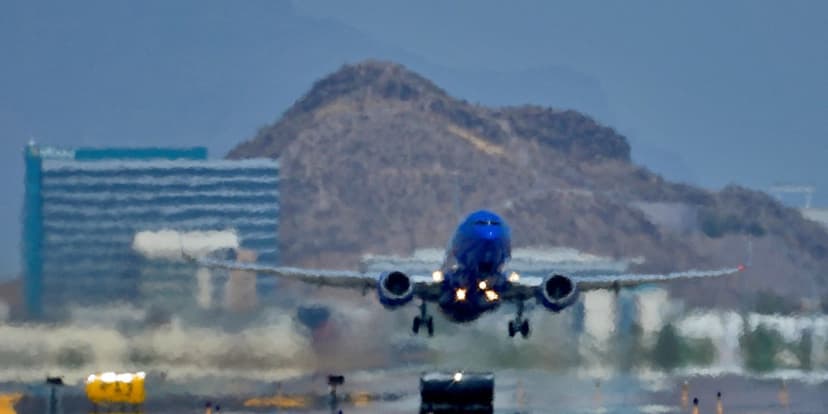
Extreme heat significantly disrupts air travel, as thinner air impedes aircraft takeoff. Hotter temperatures reduce the lift generated by wings and the thrust from jet engines, creating safety concerns. Airlines must sometimes lighten loads by offloading passengers or cargo, or by carrying less fuel.
This phenomenon is particularly problematic at airports situated in desert climates or at higher elevations, where the air is naturally thinner. Factors such as airport altitude and runway length, combined with soaring temperatures, can necessitate significant weight restrictions. For instance, incidents have occurred in Las Vegas and Denver where flights were impacted.
Climate change projections suggest these flight disruptions may become more frequent. Studies indicate that by midcentury, some airports could experience weight restrictions on a substantial percentage of flights during peak heat. This trend highlights the growing impact of rising global temperatures on essential transportation infrastructure.


