Home / Environment / Extreme Heat to Double by 2050: Millions at Risk
Extreme Heat to Double by 2050: Millions at Risk
27 Jan
Summary
- Nearly half the world may face extreme heat by 2050.
- Extreme cold conditions are projected to decrease significantly.
- Developing nations will bear the brunt of increased cooling demands.
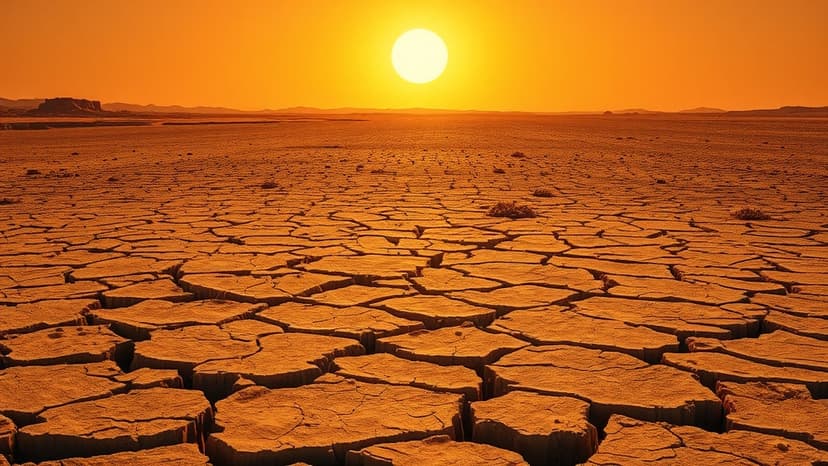
Research from the University of Oxford projects that nearly half of the global population could face extreme heat conditions by the year 2050. Under a scenario of 2 degrees Celsius warming above pre-industrial levels, the number of people exposed to dangerous heat could rise from 23% in 2010 to 41% by mid-century.
This significant increase in heat exposure, measured in cooling degree days (CDDs), will disproportionately affect tropical and subtropical nations like India, Nigeria, and the Philippines. These regions are anticipated to experience the largest increases in cooling needs, placing a strain on infrastructure.
Conversely, extreme cold is predicted to become less prevalent. While northern countries will see reduced heating requirements, they are also expected to experience a doubling or more of uncomfortably hot days, with buildings not designed for heat posing a challenge.
The findings highlight a growing justice issue, as lower- and middle-income countries will face soaring energy demands for cooling, while wealthier nations benefit from reduced heating needs. Experts stress the urgency for adaptation measures, as many changes are expected before the 1.5 degrees Celsius warming threshold is breached.