Home / Environment / Did Humans Kill the Unique Thylacine?
Did Humans Kill the Unique Thylacine?
4 Jun
Summary
- Thylacines were marsupials with tiger stripes and dog-like bodies.
- Hunted by farmers and later government bounties led to extinction.
- The last thylacine died in captivity in 1936, too late for protection.
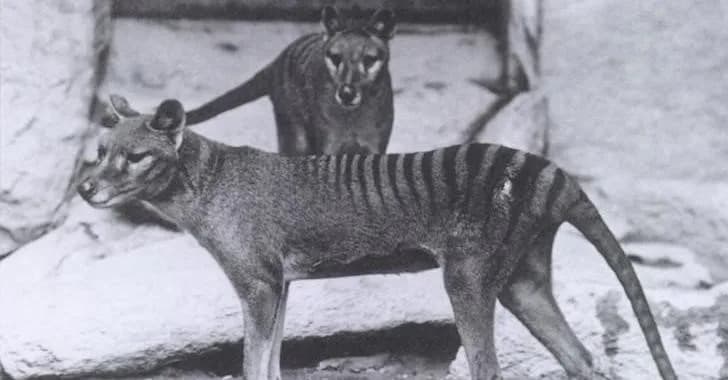
The thylacine, a marsupial uniquely resembling a dog with tiger-like stripes, met its end due to human actions. This carnivorous marsupial, once present in mainland Australia and New Guinea, vanished from the continent around two thousand years ago, possibly outcompeted by dingoes.
In Tasmania, British settlers arriving in the early 1800s viewed thylacines as threats to their livestock. Farmers' accusations, potentially exaggerated, led to government bounties starting in the 1830s. Between 1888 and 1909, Tasmania paid over 2,100 bounties, severely impacting the thylacine population.
The final thylacine died in captivity at Hobart Zoo on September 7, 1936. This occurred only two months after the species received legal protection, a measure that proved too late. Habitat loss and dwindling genetic diversity also played critical roles in its extinction.
Even today, fascination with the thylacine persists, with some believing it may still exist in remote areas. Despite numerous reported sightings since the 1930s, no confirmed evidence of living thylacines has emerged, with sightings often attributed to misidentification.


