Home / Environment / Experts Warn Against Feeding Deer to Avoid Risks and Spread of Disease
Experts Warn Against Feeding Deer to Avoid Risks and Spread of Disease
27 Oct
Summary
- Corn is poor deer feed, disrupting gut health and digestion
- Deer turn to acorns, berries, and greenery for nutrition in different seasons
- Deer-vehicle collisions spike during breeding season in the fall
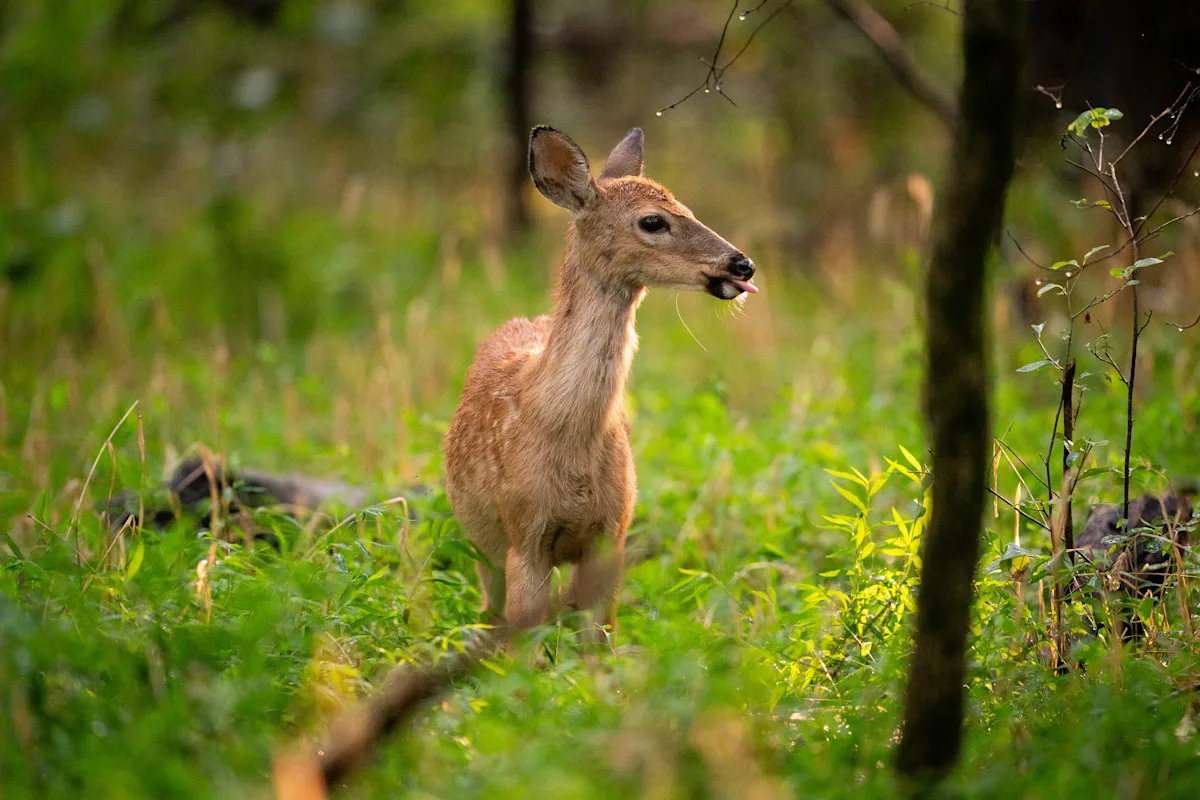
As of October 27, 2025, state experts are advising people to be mindful about the risks of feeding deer, as it can attract the wrong kinds of animals and spread disease. Adam Edge, the deer program coordinator for the Tennessee Wildlife Resources Agency, explains that deer have a varied diet depending on the season and availability of food.
Corn, a common supplemental feed, is not recommended as it is low in nutrition and lacks essential protein for deer growth and lactation. While corn can provide a burst of energy during the winter, an increase in carbohydrates can disrupt the animal's gut chemistry and digestion, similar to giving children too many candy bars. This can even lead to fatal acidosis in some cases.
Instead, deer in Tennessee tend to feed on acorns, bud tips, twigs, and dried plants during the late fall and winter. Red oak acorns are high in fat and protein, while white oak acorns are lower in fat and protein but higher in carbohydrates. When food is scarce, deer will turn to berries from evergreen species like juniper.