Home / Environment / Everest Overwhelmed: Waste & Crowds Scar Sacred Peak
Everest Overwhelmed: Waste & Crowds Scar Sacred Peak
22 Dec
Summary
- Mount Everest faces severe overcrowding and waste accumulation.
- Sagarmatha National Park hosts 100,000 annual visitors.
- Nepal's new plan limits climbers based on mountain conditions.
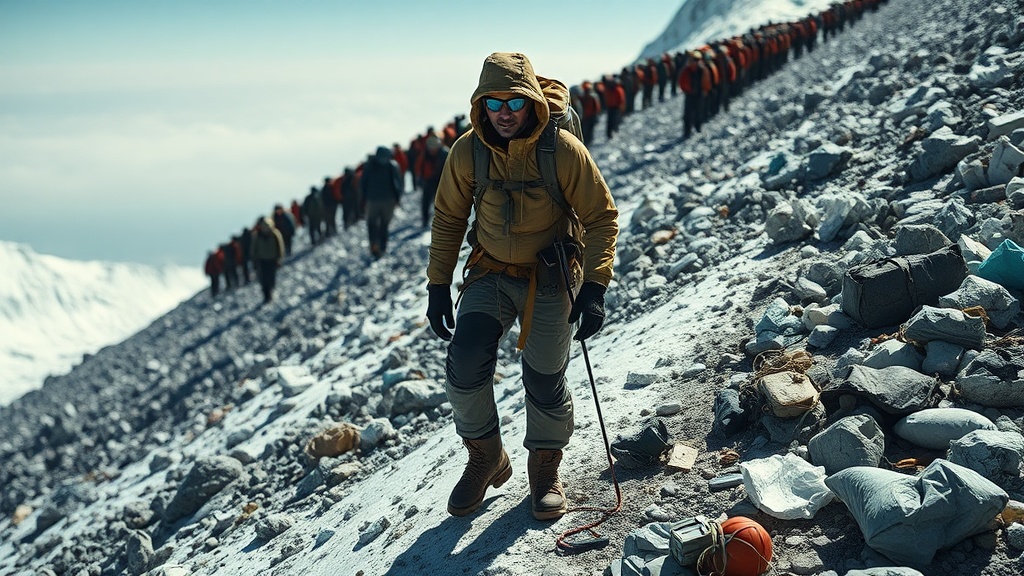
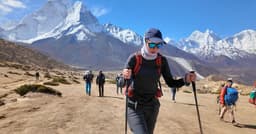
Mount Everest, once a pristine symbol of adventure, now grapples with severe overcrowding and mounting waste problems, 72 years after its initial summit. Sagarmatha National Park, a key gateway, sees approximately 100,000 visitors annually. This influx leads to eroded trails, deforestation, and significant garbage pollution impacting the fragile high-altitude ecosystem. The situation has led to long queues at bottleneck points and littered camps, starkly visible in recent social media posts.
In response, Nepal has launched an "Action Plan to Keep Mountains Clean (2025-2029)." This landmark plan grants authorities the power to limit climbers based on the peak's environmental conditions and carrying capacity. This initiative aims to promote sustainable tourism and mitigate the environmental impact on the world's highest peak.
Existing community-led efforts, such as waste management by the Sagarmatha Pollution Control Committee and refundable garbage deposits for climbers, have been in place. However, the new action plan signifies a more direct regulatory approach to preserving Everest's natural beauty and ecological integrity for future generations.