Home / Environment / Cycle, Breathe, Thrive: Europe's Urban Health Secrets
Cycle, Breathe, Thrive: Europe's Urban Health Secrets
24 Dec, 2025
Summary
- 18% of European cardiovascular deaths and 10% of cancer deaths are linked to environmental risks.
- Copenhagen prioritizes bikes, with 30-40% commuting daily via cycle lanes.
- Vienna's shared green spaces reduce health inequalities, boosting wellbeing for the poor.

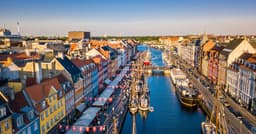
Environmental hazards are a serious concern in Europe, accounting for a substantial portion of cardiovascular and cancer deaths. Experts highlight cities that are actively improving living conditions through green initiatives and thoughtful urban planning. Copenhagen stands out, with a significant percentage of its population relying on bicycles for daily commutes, supported by extensive infrastructure that prioritizes cyclists over cars.
Vienna offers a model of equitable access to nature, where abundant green spaces are available to all residents, mitigating health inequalities and enhancing overall wellbeing. This approach fosters resilience against daily stresses and benefits even the most vulnerable populations. The city's affordable public transport further encourages community interaction.
While cities like Barcelona are implementing innovative 'superblocks' to reclaim space for people, and London boasts extensive green parks, challenges remain. Issues such as increasing heat, traffic congestion, and inadequate pedestrian safety persist. Experts advocate for bolder policies, like congestion pricing and low-emission zones, to accelerate the transition towards healthier, more sustainable urban futures across Europe.