
Home / Environment / Europe's Groundwater Crisis: Pollution Reaches Alarming Levels
Europe's Groundwater Crisis: Pollution Reaches Alarming Levels
8 May
Summary
- Over 20% of EU groundwater is in poor chemical status, exceeding safe limits.
- Nitrate treatment alone costs the EU up to €320 billion annually.
- Pesticides, pharmaceuticals, and microplastics are major threats to water quality.
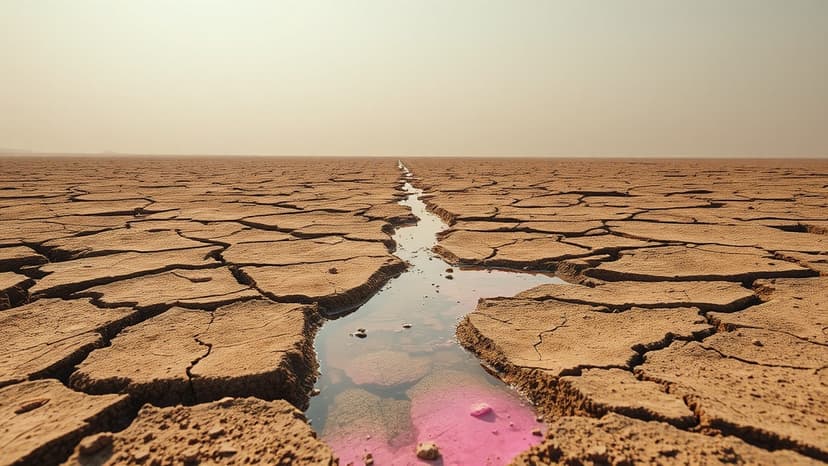
Groundwater purity is a growing concern across Europe, with several nations including Belgium, Germany, Luxembourg, and the Czech Republic reporting significant pollution. The European Environment Agency indicates that over 20% of the EU's groundwater is in a poor chemical state. This contamination poses substantial social and environmental costs, with the treatment of nitrates from fertilizers alone estimated to cost the EU as much as €320 billion annually.
Despite these challenges, Europe leads globally in sanitation and drinking water quality, with 19 of the top 20 countries being European. However, persistent threats like pesticides, pharmaceutical compounds, and microplastics continue to pressure these vital resources. For instance, trifluoroacetic acid has been detected in 94% of tap water samples across 11 EU countries, and PFAS chemicals are widespread.
Existing legislation and monitoring, such as the drinking water watchlist introduced in January 2022, aim to address these issues. Groundwater supplies approximately 25% of agricultural irrigation and 65% of drinking water in the EU, highlighting the critical need for effective water resource management and pollution control measures.
