
Home / Environment / Europe's First Climate Migrants Face Uncertain Future
Europe's First Climate Migrants Face Uncertain Future
2 May
Summary
- Hundreds of thousands of Europeans displaced by extreme weather events.
- 2023 marked the worst year on record for internal displacement in the EU.
- Climate migration is a growing concern across Germany, Greece, and France.
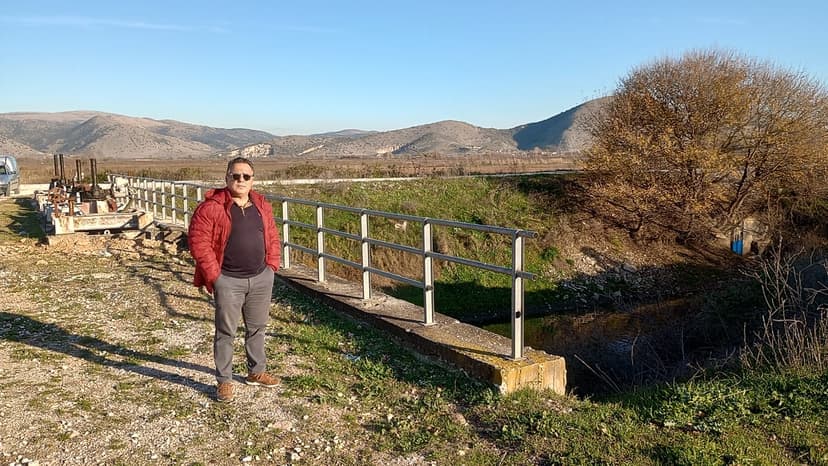
Europe is witnessing the rise of its first climate migrants as extreme weather events increasingly displace populations. In 2023 alone, over 200,000 Europeans were internally displaced, primarily by storms and wildfires, marking it as the worst year on record. This trend is moving beyond theoretical discussions, impacting numerous lives across the continent.
Germany has experienced significant displacement, with 84,000 people relocated between 2008 and 2024, mostly due to flooding. The devastating Ahr Valley floods in 2021 temporarily displaced 3,500 individuals, highlighting long-term infrastructure and resource challenges.
Greece faces particular vulnerability, with nearly 300,000 displacements since 2008. Storm Daniel in September 2023 caused unprecedented destruction in villages like Palamas and Vlochos, leading to difficult decisions about community relocation.
Northern France has also been severely affected by flooding, with events like the January 2024 floods in Blendecques forcing residents to seek higher ground. An estimated 45,000 people were displaced by environmental disasters in France in 2022.
Experts predict this internal climate migration will intensify. By 2050, Europe is expected to be significantly warmer, exacerbating droughts in the south and increasing flood risks in central and western regions, compelling millions to move for safety and resources.
