

Home / Environment / Europe's Health Warmer: Longer Pollen, Hotter Deaths
Europe's Health Warmer: Longer Pollen, Hotter Deaths
22 Apr
Summary
- Pollen seasons in Europe are now two weeks longer than in the 1990s.
- Heat-related deaths have increased across 99.6% of monitored European regions.
- Dengue transmission potential in Europe increased by 297% since 2010.
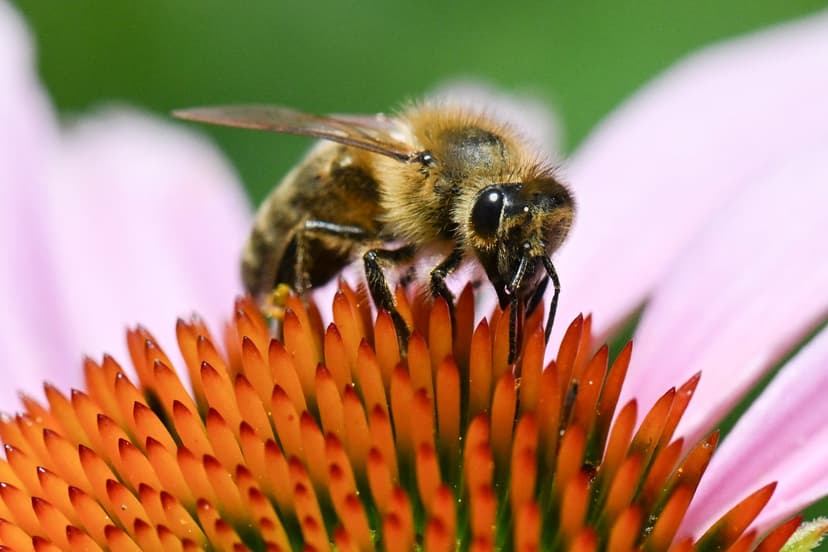
Europe is currently facing escalating health challenges attributed to climate change. Pollen seasons have demonstrably lengthened, now extending one to two weeks longer than in the 1990s, increasing exposure for tens of millions with allergies.
Concurrently, heat-related deaths have risen across approximately 99.6% of monitored European regions between 2015 and 2024, compared to the 1991-2000 period. The duration of outdoor activity risk due to heat has grown by 88%.
Furthermore, the potential for dengue transmission in Europe has surged by 297% since 1981-2010, contributing to increased local outbreaks of this mosquito-borne virus.
These climate-driven health impacts disproportionately affect low-income households, increasing their likelihood of food insecurity. Additionally, deaths linked to biomass air pollution have risen, partly due to increased wood-burning for heating amid climbing energy prices.
While progress is noted in reducing coal use and increasing renewable energy, fossil fuel subsidies reached a record €444 billion in 2023. Without substantial adaptation measures and global mitigation, these health harms are projected to accelerate.
