Home / Environment / EU Reconsiders 2035 Combustion Car Ban
EU Reconsiders 2035 Combustion Car Ban
17 Dec
Summary
- EU proposes exempting 10% of new cars from the 2035 combustion engine ban.
- Automakers cite high energy costs, competition, and EV demand issues.
- Diluting the ban could have significant climate consequences.
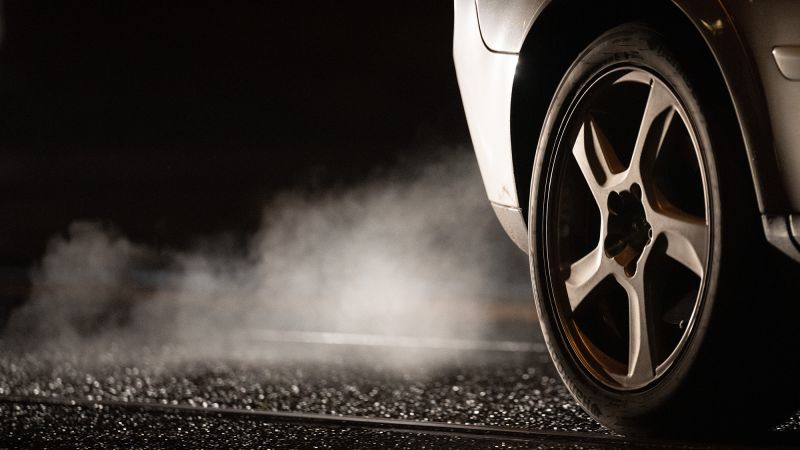
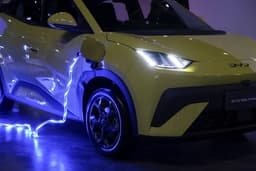
Plans for a complete ban on new combustion engine car sales in the European Union by 2035 are facing significant adjustments. The European Commission has proposed exempting 10% of vehicles from the original 100% phase-out, allowing for continued sales of plug-in hybrids or cars with internal combustion engines after the deadline. This potential rollback is attributed to pressures faced by the European auto industry, including high energy costs and intensified global competition.
Carmakers have expressed concerns over lower-than-expected consumer demand for electric vehicles and the uneven development of charging infrastructure across the continent. These challenges, coupled with external factors like U.S. trade policies, have led to a reconsideration of the stringent emissions targets. The industry's lobbying efforts appear to have influenced the commission's revised proposal, signaling a shift in policy priorities.
Environmental groups warn that this dilution of the ban could undermine the EU's climate commitments and its carbon-neutrality goals by 2050. While the commission maintains Europe's leadership in the clean transition, critics argue that weakening long-term environmental commitments sends a concerning signal. The proposal is anticipated to be approved by European lawmakers, reflecting a complex balance between industrial interests and climate action.