Home / Environment / Manure Mountain: EU Nitrogen Rules Spark Farming Crisis
Manure Mountain: EU Nitrogen Rules Spark Farming Crisis
21 Jul
Summary
- EU regulations limit manure reuse, increasing fertilizer costs.
- Farmers face financial ruin as costs for disposal and new fertilizers rise.
- Processing surplus manure offers potential for biogas and valuable resources.
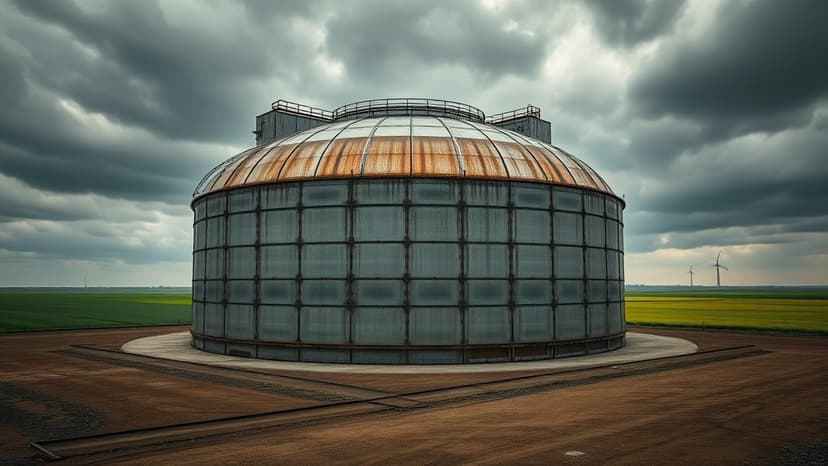
European Union regulations aimed at cutting nitrogen pollution are placing stringent limits on the reuse of farm manure as fertilizer. This policy is creating significant financial pressure on farmers, particularly in the Netherlands, where excess manure must now be removed at considerable expense. Farmers report paying up to 40,000 euros for manure disposal, which often involves transport by diesel-fueled trucks.
The increased costs associated with these nitrogen limits, compounded by rising prices for conventional fertilizers, fuel, and other agricultural inputs due to global supply chain disruptions, are forcing some farmers to abandon their operations. The situation has spurred a debate on nitrogen management and sustainable farming practices.
The European Commission has introduced a Fertiliser Action Plan to mitigate these challenges. The plan aims to reduce reliance on imported fertilizers by compensating farmers for increased costs and boosting local production of organic and bio-based alternatives. However, some farming unions advocate for greater flexibility in nitrogen limits, allowing farmers to utilize their readily available organic manure.
Environmental organizations criticize the plan for its limited scope, arguing it does not sufficiently address the broader pollution crisis stemming from intensive agriculture. They emphasize that a third of Europe's waters are contaminated by agricultural runoff and that the Commission's focus on fossil-based fertilizers overlooks public health and environmental costs.
An alternative approach gaining traction involves processing surplus farm manure to extract valuable resources such as biogas, nutrients, and materials like peat substitutes and building supplies. This method turns a disposal problem into a potential profit center, with biogas being purified and fed into local natural gas grids. Some entrepreneurs are developing waiting lists for farmers eager to participate in these circular economy initiatives, anticipating future payments for their manure.


