Home / Environment / EU: Climate Policy is Now Economic & Security Imperative
EU: Climate Policy is Now Economic & Security Imperative
2 Sep
Summary
- Decarbonization is vital for Europe's economic and security policy.
- EU aims for net-neutrality by 2050, facing credibility challenges.
- EU will review carbon market and introduce resilience framework.
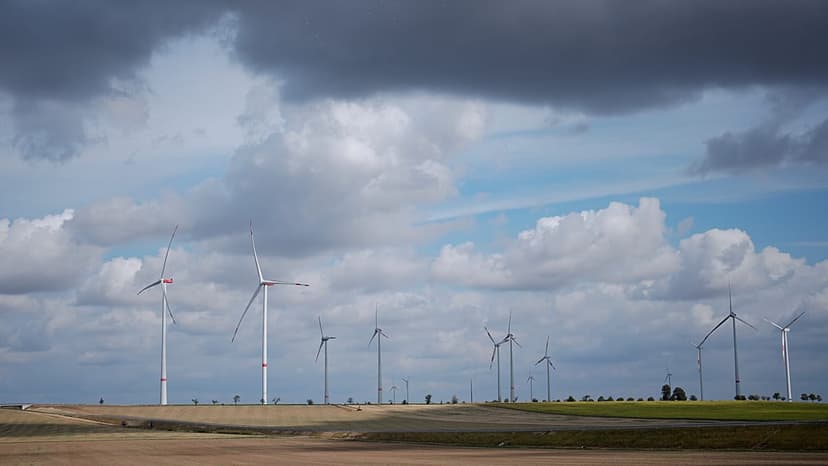
Europe cannot prioritize climate policy over competitiveness or security, according to a senior EU official. The continent's increasing vulnerability to extreme weather and reliance on imported fossil fuels underscores that decarbonization is a crucial element of economic and security strategy. Disruptions in global energy markets highlight Europe's dependence on imported oil and gas, making climate policy essential for survival.
The European Union's strategy involves accelerating its economy's electrification and fostering domestic energy sources to mitigate reliance on volatile fossil fuel markets. This approach aims to stabilize energy bills and bolster industrial competitiveness, which is currently challenged by global competitors like China and the United States. The Commission is progressively implementing climate measures toward its 2050 net-neutrality objective.
Despite some skepticism regarding the feasibility of the 2050 net-zero target, the EU executive is proceeding with its climate agenda. Key steps include reviewing the Emissions Trading System (ETS) and introducing a climate resilience framework to address extreme weather events. Future plans involve unveiling the post-2030 climate package to detail the path to achieving the 2040 emissions reduction target.
The ETS mechanism is evolving, with an increasing emphasis on carbon pricing rather than solely on allowance quantities. As allowances diminish, prices are expected to rise, incentivizing companies to invest in emission reductions. The EU also plans to incorporate carbon removals and international credits, but these will complement, not replace, domestic investments in clean technologies.
Adaptation to climate impacts is becoming unavoidable. The Commission's upcoming climate resilience framework will help Europe prepare for escalating climate effects. Every degree of warming avoided, even if exceeding the Paris Agreement's 1.5°C goal, translates to significant economic and social costs. The EU aims to leverage ETS revenues to finance industrial decarbonization and the transition to cleaner technologies.


