Home / Environment / England Faces Critical Water Shortage by 2055
England Faces Critical Water Shortage by 2055
29 Aug
Summary
- England may face a daily shortfall of 5 billion litres by 2055.
- Danish residents use 30% less water daily than those in England.
- New reservoirs are planned, but they will only meet 7% of future needs.
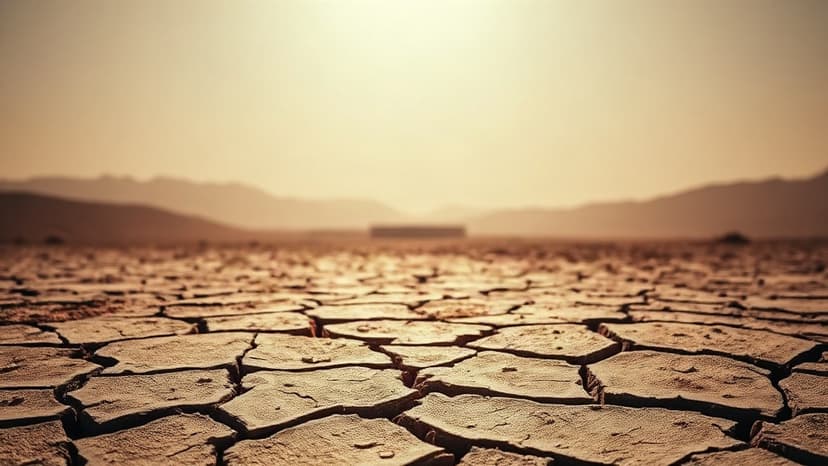
England is confronting a growing water crisis, with predictions suggesting a potential daily deficit of five billion litres by the year 2055. This alarming prospect stems from increasingly frequent heatwaves, reduced rainfall, and rising demand for water.
Comparison with Denmark reveals a significant difference in water consumption, with Danish residents using 97 litres per person daily, compared to England's 136.5 litres. Households account for nearly 60% of water use in England and Wales. Even minor changes, like reducing shower times by one minute, could save billions of litres daily.
Water companies have initiated conservation campaigns, but public perception and regulatory pricing structures may hinder their effectiveness. In Denmark, mandatory water meters and higher prices have fostered greater efficiency. Currently, water in England is considered "too cheap," discouraging conservation.
Beyond households, businesses also contribute to water consumption, with some previously receiving discounts for higher usage, a practice now being phased out. The article also questions the use of potable water for industrial cooling and irrigation, suggesting non-potable alternatives.
Despite improvements in reducing leakage from the water network, over 45 litres per person per day are still lost. Innovative technologies like fibre optic cables are being deployed to detect leaks more rapidly.
Plans are in motion to construct ten new reservoirs by 2050 to store excess water from wetter winters. However, these projects face significant hurdles, including environmental impact assessments and treatment costs, with the total planned storage only meeting 7% of the projected 2055 shortfall.
Underground aquifers also serve as crucial natural reservoirs. Sustainable drainage systems are encouraged in new developments, but primarily for flood prevention rather than drought management.
Farmers, such as Daniel Sizer in Suffolk, are already facing severe water shortages, with many farm licences suspended. The agricultural sector is noted as receiving less priority in water allocation frameworks compared to nature and household supply. Securing the future of water resources will necessitate societal consensus on water usage values and equitable allocation.


