
Home / Environment / Energy Crisis Fuels Air Pollution: Wood Smoke Replaces Gas
Energy Crisis Fuels Air Pollution: Wood Smoke Replaces Gas
26 Jun
Summary
- Fossil fuel supply disruptions led to increased wood burning in Italy.
- Switching to wood heat caused significant air quality deterioration.
- Simulations show major health risks from widespread wood burning.
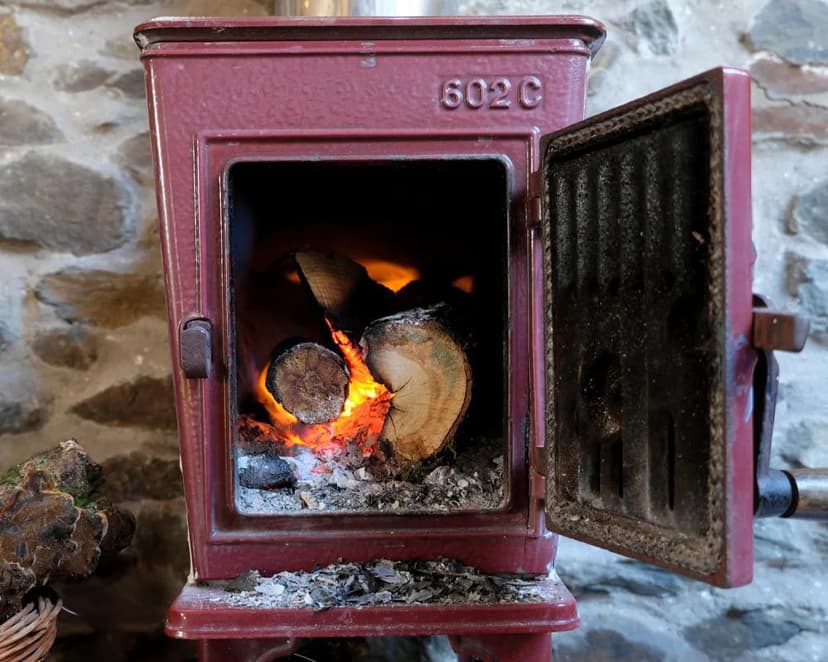
Unreliable fossil fuel supplies and the resulting price surges can negatively impact air quality as people alter their consumption patterns. The conflict in Ukraine has had far-reaching consequences beyond its immediate environment, disrupting energy supplies and increasing fossil gas prices in Europe.
In northern Italy, researchers observed that as households reduced their fossil gas consumption by approximately 18% in December 2022, partly due to price incentives, some turned to wood burning for heating. This shift led to measurable environmental impacts, with significant increases in benzo[a]pyrene, a toxic chemical found in wood smoke.
Concentrations of benzo[a]pyrene rose by over 10% at 17 of 63 monitoring sites in the Po Valley, indicating a local increase in wood burning. Computer simulations predicted that a hypothetical 30% increase in wood burning could have exposed an additional 2 million people to particle pollution above legal limits and increased air pollution-related deaths.
This phenomenon mirrors past events, such as the Greek financial crisis in winter 2012-13, when increased wood heating led to significant health issues and economic costs. Experts emphasize that air quality vulnerability to energy market volatility is a broader concern, extendable beyond the specific Italian context.
