
Home / Environment / Energy Crisis Fuels Green Shift Hopes
Energy Crisis Fuels Green Shift Hopes
6 May
Summary
- War in Iran impacts global energy security and prices.
- Renewable energy saw significant growth post-Ukraine invasion.
- Balancing energy security, affordability, and sustainability is key.
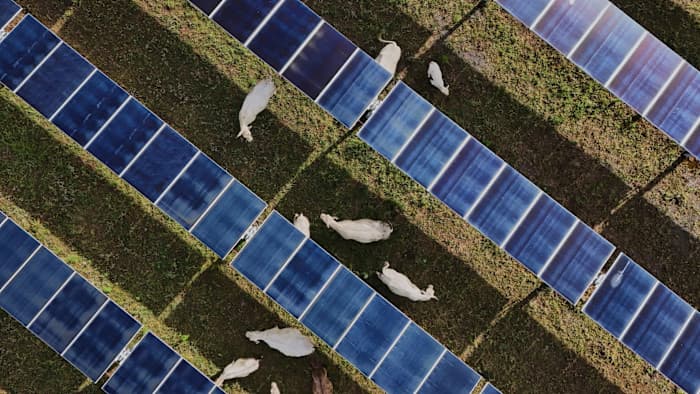
Renewed focus on energy security due to geopolitical events offers a potential, albeit uncertain, acceleration of the shift to low-carbon energy. The International Energy Agency suggests that conflicts could significantly boost renewables and nuclear power, alongside greater electrification.
Past energy shocks have demonstrated the potential for rapid growth in renewable sources, with EU solar power generation increasing by 24% in 2022. For nations heavily reliant on fossil fuel imports, the volatility of global markets creates a strong incentive to embrace domestic, low-carbon alternatives like wind, solar, and nuclear power.
However, this accelerated transition faces hurdles. Some major economies might increase their reliance on domestically produced coal. Furthermore, concerns about supply chain vulnerabilities for clean energy technologies could emerge. Governments must navigate the energy trilemma: balancing energy security, affordability, and sustainability.
Increased prioritization of energy security might come at the expense of sustainability. This is further complicated by economic pressures. Slowing economic growth and increased fiscal demands for cushioning impacts and investing in energy storage and security could reduce the financial capacity for capital-intensive low-carbon projects.
The potential for a more fragmented energy system, rather than a uniformly accelerated transition, is also noted. Some countries may fast-track low-carbon energy, while others may increase their dependence on fossil fuels. Reconciling energy security with sustainability requires careful policy choices and active engagement with potential trade-offs.
