feedzop-word-mark-logo
searchLogin
Feedzop
homeFor YouIndiaIndia
You
bookmarksYour BookmarkshashtagYour Topics
Trending
Terms of UsePrivacy PolicyAboutJobsPartner With Us

© 2026 Advergame Technologies Pvt. Ltd. ("ATPL"). Gamezop ® & Quizzop ® are registered trademarks of ATPL.

Gamezop is a plug-and-play gaming platform that any app or website can integrate to bring casual gaming for its users. Gamezop also operates Quizzop, a quizzing platform, that digital products can add as a trivia section.

Over 5,000 products from more than 70 countries have integrated Gamezop and Quizzop. These include Amazon, Samsung Internet, Snap, Tata Play, AccuWeather, Paytm, Gulf News, and Branch.

Games and trivia increase user engagement significantly within all kinds of apps and websites, besides opening a new stream of advertising revenue. Gamezop and Quizzop take 30 minutes to integrate and can be used for free: both by the products integrating them and end users

Increase ad revenue and engagement on your app / website with games, quizzes, astrology, and cricket content. Visit: business.gamezop.com

Property Code: 5571

Home / Environment / Endangered Monkeys Thrive Near Humans, But Danger Looms

Endangered Monkeys Thrive Near Humans, But Danger Looms

11 Feb

•

Summary

  • Lion-tailed macaques are increasing near human settlements in Anamalai Hills.
  • Easy food access drives macaque growth outside protected forests.
  • Habitats with intact canopies are essential for arboreal macaques.
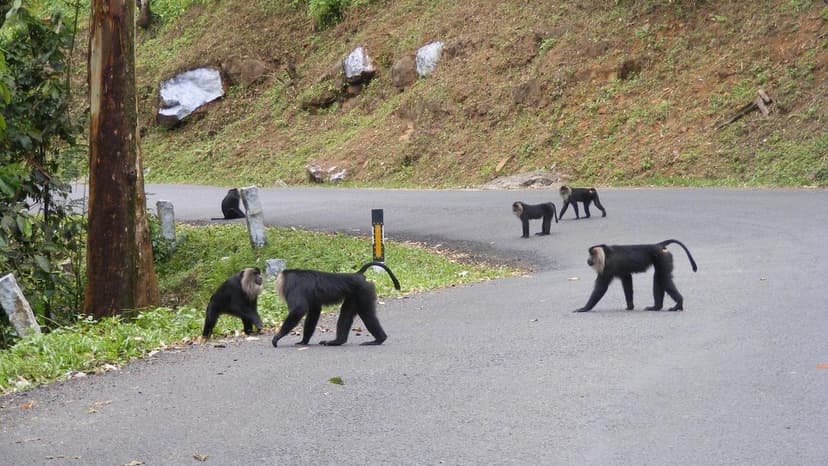
Endangered Monkeys Thrive Near Humans, But Danger Looms

An unlikely conservation scenario is unfolding in the Anamalai Hills, where endangered lion-tailed macaques are flourishing in areas with significant human presence, such as plantations and tourist zones. This phenomenon, studied over 40 years, shows populations stable within protected forests but growing in unprotected spaces due to readily available food sources.

However, scientists warn this trend poses long-term threats. While birth rates are similar, macaques near human activity face heightened risks from traffic and electrocution. The study, involving 37 groups across rainforest fragments, highlights that intact canopies remain vital for these arboreal primates.

Urgent interventions are called for, including traffic regulation and controlling tourist access. These measures aim to mitigate accidents and ensure the continued survival of the species. Such strategies, successfully piloted in Tamil Nadu, could serve as a model for the broader Western Ghats region.

trending

Salesforce lays off 1000

trending

India US trade tariffs slashed

trending

Margot Robbie's Wuthering Heights panned

trending

CBSE board exams: key details

trending

Jana Nayagan movie court case

trending

Dhakshineswar Suresh Davis Cup hero

trending

Deepika Padukone wears Gaurav Gupta

trending

NZ vs UAE match prediction

trending

iPhone 17 Croma Valentine's sale

Disclaimer: This story has been auto-aggregated and auto-summarised by a computer program. This story has not been edited or created by the Feedzop team.
Lion-tailed macaques are found near human activity primarily due to the easy access to food sources provided by plantations, tourist areas, and human settlements.
Macaques living near human activity face increased risks such as road accidents, electrocution, and conflicts associated with tourism and logging.
Conservation measures include maintaining canopy continuity, regulating traffic near vulnerable points, enforcing speed limits, and controlling tourist inflow into sensitive habitats.

Read more news on

Environmentside-arrowTamil Naduside-arrow

You may also like

India's Forests: A Birdwatcher's Paradise

8 Feb • 26 reads

article image

Nepal's Wild Kingdom: Human-Wildlife Conflict Escalates

10 Jan • 205 reads

article image

Monkeys' Brave Rescue Bid Against Crocodile

30 Dec, 2025 • 252 reads

article image

Ladakh's Dogs: Wildlife's New Predator?

26 Dec, 2025 • 248 reads

article image

Invasive Monkeys Threaten Gir's Lions and Crops

15 Dec, 2025 • 287 reads

article image