
Home / Environment / Eel Rescue: Hope for Critically Endangered Species
Eel Rescue: Hope for Critically Endangered Species
7 May
Summary
- A new project aims to boost critically endangered European eel numbers.
- Eels are vital to ecosystems but face threats like pollution and habitat loss.
- The 'Eels of Steel' scheme focuses on improving habitat and public awareness.
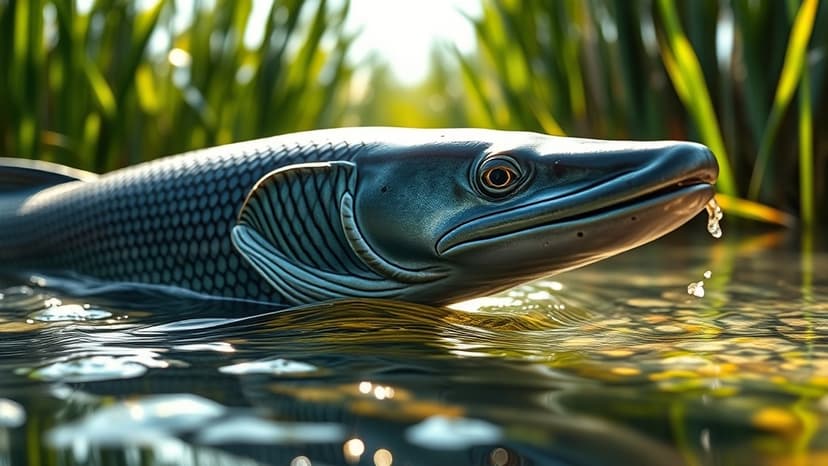
The 'Eels of Steel' project has been launched to significantly increase the population of critically endangered European eels in the Tees river system. This initiative, supported by Natural England, is dedicated to accelerating the recovery of this vital species within the Tees catchment area. Volunteers and staff from the Tees Rivers Trust are actively engaged in improving the eels' habitat quality.
They also aim to foster greater public understanding and appreciation for these fascinating creatures. Project manager Ellie Ward highlighted the eels' ecological importance, noting that despite their essential role in diverse ecosystems, they are frequently perceived negatively. She emphasized how public engagement increases upon learning about their complex life cycles, particularly the mesmerizing, translucent glass eels.
Glass eels, which are juvenile eels aged one to two years, undertake an extraordinary migration across the Atlantic from the Sargasso Sea. The European eel population has faced a drastic decline of up to 98% across all life stages since the 1980s, leading to their critical endangerment on the IUCN Red List. Their intricate life cycle involves spawning in the Sargasso Sea and migrating to Europe, requiring free passage upstream and downstream in rivers to find sustenance and shelter.
Factors contributing to this severe population decrease include fluctuating water temperatures, pollutants, habitat degradation, overfishing, and physical barriers impeding migration. Ward reiterated the necessity of eels for maintaining the health of marine, brackish, and freshwater environments, serving as a food source for other wildlife like otters and bitterns.
