Home / Environment / Elephants Feast on Landfills, Digesting Plastic Waste
Elephants Feast on Landfills, Digesting Plastic Waste
7 Feb
Summary
- Elephants eat plastic waste from landfills due to habitat loss.
- Plastic ingestion causes severe blockages, malnutrition, and death.
- Reducing plastic consumption is key to preventing this issue.
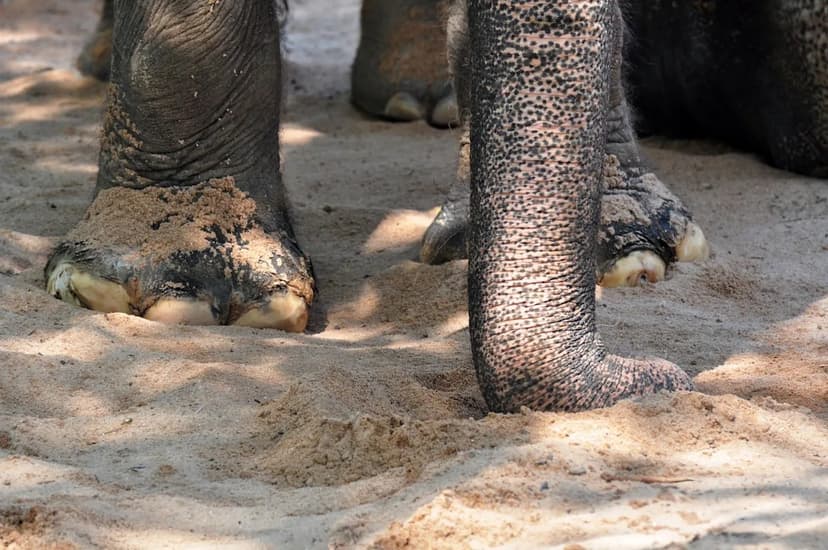
Endangered Sri Lankan elephants are increasingly ingesting plastic waste found in landfills, a direct consequence of their natural habitats being destroyed. As forests disappear to make way for human settlements, these intelligent animals are driven to seek sustenance in waste dumps. While foraging for edible items, they accidentally consume plastic, which then causes severe internal blockages and malnutrition, often proving fatal.
This concerning trend is not isolated to Sri Lanka, with similar issues affecting Bornean elephants and contributing to global wildlife population declines. The plastic fragments, instead of biodegrading, break into microplastics, posing further health risks that are still under investigation. Sri Lanka's attempts to secure landfills with moats and fences have been overcome by the elephants' persistence. Preventing elephants from eating plastic fundamentally requires reducing the amount of plastic that ends up in landfills in the first place.