feedzop-word-mark-logo
searchLogin
Feedzop
homeFor YouIndiaIndia
You
bookmarksYour BookmarkshashtagYour Topics
Trending
Terms of UsePrivacy PolicyAboutJobsPartner With Us

© 2026 Advergame Technologies Pvt. Ltd. ("ATPL"). Gamezop ® & Quizzop ® are registered trademarks of ATPL.

Gamezop is a plug-and-play gaming platform that any app or website can integrate to bring casual gaming for its users. Gamezop also operates Quizzop, a quizzing platform, that digital products can add as a trivia section.

Over 5,000 products from more than 70 countries have integrated Gamezop and Quizzop. These include Amazon, Samsung Internet, Snap, Tata Play, AccuWeather, Paytm, Gulf News, and Branch.

Games and trivia increase user engagement significantly within all kinds of apps and websites, besides opening a new stream of advertising revenue. Gamezop and Quizzop take 30 minutes to integrate and can be used for free: both by the products integrating them and end users

Increase ad revenue and engagement on your app / website with games, quizzes, astrology, and cricket content. Visit: business.gamezop.com

Property Code: 5571

Home / Environment / Elephants Feast on Landfills, Digesting Plastic Waste

Elephants Feast on Landfills, Digesting Plastic Waste

7 Feb

•

Summary

  • Elephants eat plastic waste from landfills due to habitat loss.
  • Plastic ingestion causes severe blockages, malnutrition, and death.
  • Reducing plastic consumption is key to preventing this issue.
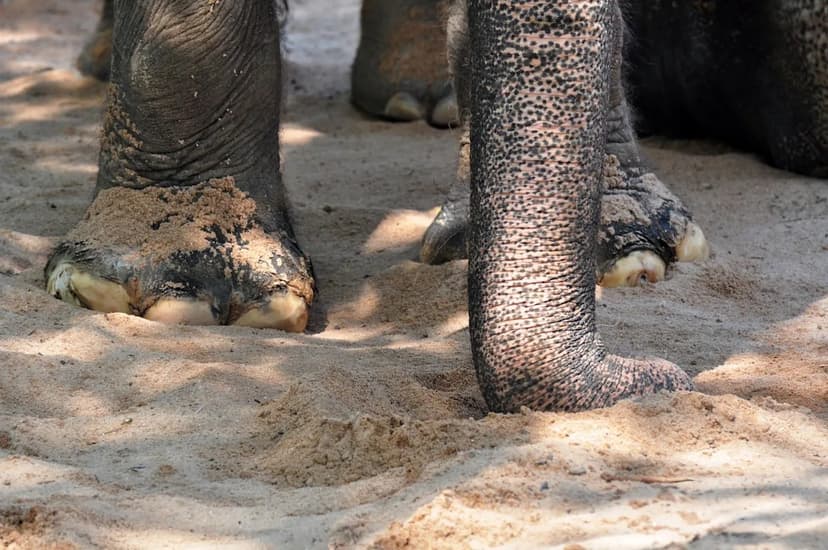
Elephants Feast on Landfills, Digesting Plastic Waste

Endangered Sri Lankan elephants are increasingly ingesting plastic waste found in landfills, a direct consequence of their natural habitats being destroyed. As forests disappear to make way for human settlements, these intelligent animals are driven to seek sustenance in waste dumps. While foraging for edible items, they accidentally consume plastic, which then causes severe internal blockages and malnutrition, often proving fatal.

This concerning trend is not isolated to Sri Lanka, with similar issues affecting Bornean elephants and contributing to global wildlife population declines. The plastic fragments, instead of biodegrading, break into microplastics, posing further health risks that are still under investigation. Sri Lanka's attempts to secure landfills with moats and fences have been overcome by the elephants' persistence. Preventing elephants from eating plastic fundamentally requires reducing the amount of plastic that ends up in landfills in the first place.

Disclaimer: This story has been auto-aggregated and auto-summarised by a computer program. This story has not been edited or created by the Feedzop team.
Elephants are eating plastic waste from landfills because their natural habitats have been destroyed, forcing them to search for food in human settlements and waste dumps.
Ingesting plastic leads to severe health problems for elephants, including dangerous internal blockages, malnutrition, and often death.
The most effective way to prevent elephants from eating plastic is to reduce overall plastic consumption, thereby ensuring fewer plastic items reach landfills.

Read more news on

Environmentside-arrow
trending

Islamabad suicide blast kills 31

trending

Ronaldo trains with Al Nassr

trending

India A vs Namibia live

trending

Vaibhav Suryavanshi scores 175

trending

VTU adopts Artificial Super Intelligence

trending

Riyan Parag scores fifty

trending

T20 World Cup opening ceremony

trending

Tiigers Kolkata reach ISPL final

trending

Al Ettifaq favored vs Damac

You may also like

Thailand's Elephants Get Birth Control Jab

28 Jan • 52 reads

article image

Sri Lanka Safari Terror: Elephant Tears Van Door Off

26 Jan • 66 reads

article image

Wildlife Battles: India's Human-Animal Conflict Crisis

18 Jan • 114 reads

article image

Assam Man Becomes Wildlife Guardian, Fights Poachers

11 Jan • 156 reads

Baby Elephant's Plight Highlights Asian Herd Crisis

2 Jan • 141 reads

article image