Home / Environment / Elephants: India's Unexpected Climate Warriors
Elephants: India's Unexpected Climate Warriors
27 Jun
Summary
- Elephant conservation indirectly protects India's vital forest carbon stores.
- Improved habitat quality, not just reserves, is key for carbon stabilization.
- Elephant reserves saw a 38% carbon stock increase due to forest protection.
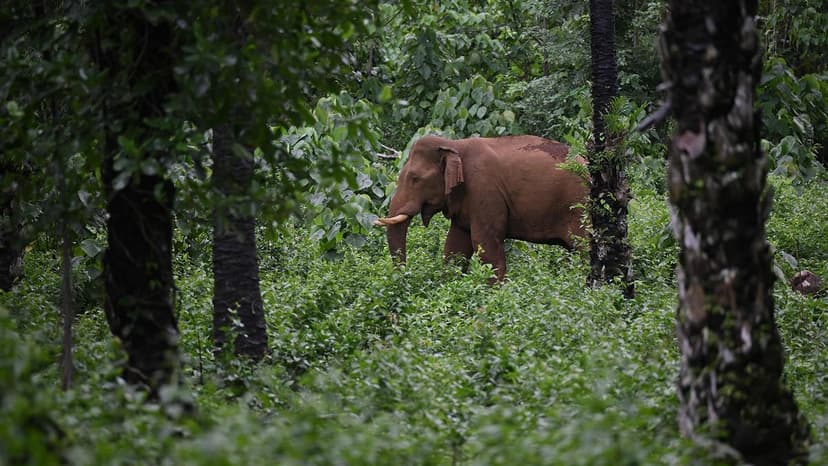
Protecting India's Asiatic elephants is proving vital for safeguarding the country's forests, which function as significant carbon sinks. A recent scientific study indicates that these powerful ecosystem engineers indirectly contribute to climate change mitigation by helping to stabilize carbon. The research emphasizes that simply increasing the number of designated elephant reserves is insufficient for long-term carbon benefits.
Instead, the study underscores the critical need for improving habitat quality and restoring wildlife corridors. Researchers observed that while India's elephant reserve network expanded substantially, leading to a 38% increase in stored carbon, this was primarily due to enhanced protection of existing forests. Elephants' roles in seed dispersal and soil enrichment further support healthy, carbon-storing forests.
The study also noted a weak correlation between the number of elephant reserves and elephant population growth, suggesting that administrative measures alone are ineffective without proper habitat management. Comparable findings from African ecosystems reinforce the principle that mega-fauna protection complements forest-carbon goals, suggesting policy integration to enhance India's carbon sink targets.


