Home / Environment / Amazon Family's Wild Mission: Saving Seeds, Defying Droughts
Amazon Family's Wild Mission: Saving Seeds, Defying Droughts
6 Feb
Summary
- Family cultivates endangered plant seeds on their farm.
- Climate change impacts seed production, making their work harder.
- Government recognizes farm as a 'living laboratory'.
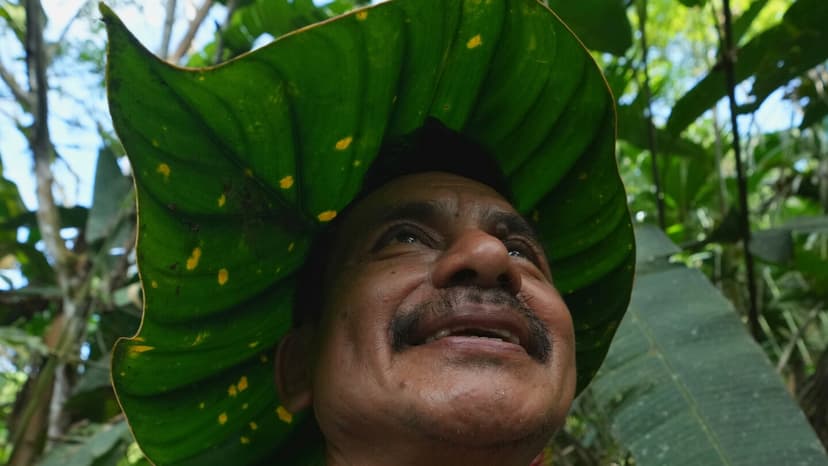
In the Ecuadorian Amazon, Ramón Pucha and his family are engaged in a solitary but critical mission to preserve endangered plant species. They have transformed 32 hectares into a sanctuary called El Picaflor, where they cultivate rescued flora. Pucha ventures deep into the jungle, sometimes for days, to collect seeds, a task increasingly difficult due to climate change causing severe droughts that disrupt annual seed production.
Upon returning, his wife, Marlene Chiluisa, meticulously plants the seeds. The family then shares these new plants with neighbors committed to reforestation. Their 21-year-old son, Jhoel, an expert botanist, continues this legacy, identifying plants and guiding visitors. Despite their unwavering commitment, the family receives no incentives from governments or foundations.
The Ecuadorian Ministry of Agriculture acknowledges El Picaflor as a crucial 'living laboratory' and seed bank in a region impacted by decades of logging. However, environmentalists are concerned about potential threats to nature conservation, including the proposed merger of the Environment Ministry with the Ministry of Energy and Mines. Pucha remains steadfast, viewing his work as a legacy for future generations and the survival of the Amazon.