Home / Environment / Eat the Invaders: Invasive Species Become Dinner
Eat the Invaders: Invasive Species Become Dinner
19 Jan
Summary
- Eating invasive species helps restore ecological balance.
- Lionfish, Ta'ape, and nutria are examples of invasive food sources.
- Culinary solutions offer a unique conservation participation method.
Across the United States, a novel approach to managing invasive species is gaining traction, encouraging the public to consume these ecological disruptors. This growing trend, termed "invasivorism," aims to restore ecological balance by transforming problematic non-native plants and animals into food sources. This strategy is being championed by chefs, scientists, and local communities as a way to create demand for invasive species, thereby integrating their removal into daily life.
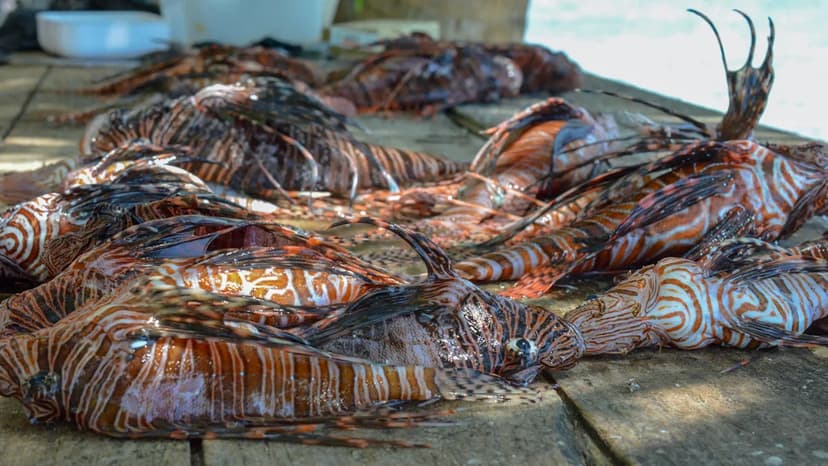
The lionfish, a voracious predator that has proliferated in the Caribbean and Gulf of Mexico, serves as a prime example. Initiatives in Florida, such as Lionfish Restaurant Week, have successfully promoted this invasive fish as a palatable dish, simultaneously aiding reef recovery. Similar efforts are underway with the Ta'ape, an invasive fish in Hawaii, and nutria, a South American rodent, which are being introduced to restaurant menus and local consumption.
Conservation biologist Joe Roman highlights that food is a powerful incentive for public engagement in ecosystem protection. While not a sole solution, consuming invasive species can lead to their "functional extinction," offering native species a better chance to thrive. This method provides a unique benefit, offering new flavors and an accessible way for individuals to contribute to conservation without drastic lifestyle changes.