

Home / Environment / Eastern Wildfires Intensify: Climate Change Fuels Danger
Eastern Wildfires Intensify: Climate Change Fuels Danger
24 Apr
Summary
- Eastern US wildfires are becoming more intense and frequent.
- Climate change and a record drought contribute to drier fuels.
- Millions of dead trees from Hurricane Helene act as fire accelerants.
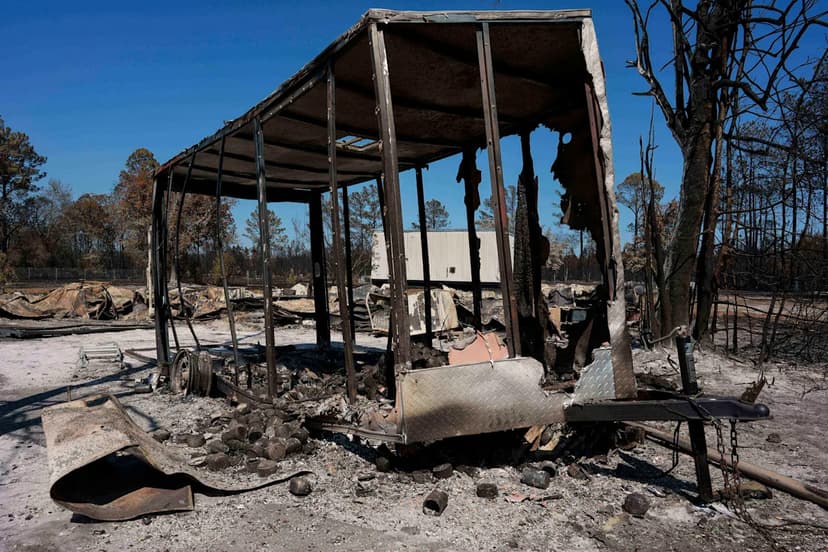
Wildfires are increasingly intensifying and occurring with greater frequency across the Eastern United States, a concerning trend that has fire scientists expressing alarm. Factors such as climate change, which contributes to drier and more flammable fuel, combined with a record drought and an abundance of dead trees from Hurricane Helene, are creating a perilous situation.
This year has seen a significant increase in burned acreage across the U.S., with unusual areas like Nebraska experiencing large wildfires. Scientists note that warmer temperatures lead to longer fire seasons and drier conditions, suggesting a sustained rise in fire activity for the East. Despite historically smaller fires compared to the West, the eastern region faces unique challenges, including a denser wildland-urban interface where more people reside.
The aftermath of Hurricane Helene in 2024 has left millions of tons of dead pine and hardwood trees, described by experts as a "ticking time bomb." This excess fuel, coupled with dry air that increases the atmosphere's moisture-sucking capacity, makes ignition and rapid spread more likely. Human-caused climate change is identified as a key driver behind these escalating fire conditions.
