feedzop-word-mark-logo
searchLogin
Feedzop
homeFor YouIndiaIndia
You
bookmarksYour BookmarkshashtagYour Topics
Trending
trending

Gill fit for T20I return

trending

Delhi pollution source study ordered

trending

India-South Africa betting arrests

trending

Starlink announces India pricing

trending

Sensex, Nifty slip on profit

trending

Rahane slams 95 for Mumbai

trending

SSC CGL Tier 1 results

trending

Meesho IPO allotment status

trending

Japan earthquake triggers tsunami alert

Terms of UsePrivacy PolicyAboutJobsPartner With Us

© 2025 Advergame Technologies Pvt. Ltd. ("ATPL"). Gamezop ® & Quizzop ® are registered trademarks of ATPL.

Gamezop is a plug-and-play gaming platform that any app or website can integrate to bring casual gaming for its users. Gamezop also operates Quizzop, a quizzing platform, that digital products can add as a trivia section.

Over 5,000 products from more than 70 countries have integrated Gamezop and Quizzop. These include Amazon, Samsung Internet, Snap, Tata Play, AccuWeather, Paytm, Gulf News, and Branch.

Games and trivia increase user engagement significantly within all kinds of apps and websites, besides opening a new stream of advertising revenue. Gamezop and Quizzop take 30 minutes to integrate and can be used for free: both by the products integrating them and end users

Increase ad revenue and engagement on your app / website with games, quizzes, astrology, and cricket content. Visit: business.gamezop.com

Property Code: 5571

Home / Environment / Earth Faces Unprecedented Heat Crisis as 2024 Shatters Temperature Records

Earth Faces Unprecedented Heat Crisis as 2024 Shatters Temperature Records

30 Oct

•

Summary

  • 2024 likely Earth's hottest year in 125,000 years
  • 22 of 34 health indicators reach record extremes
  • Renewable energy scaling seen as most powerful solution
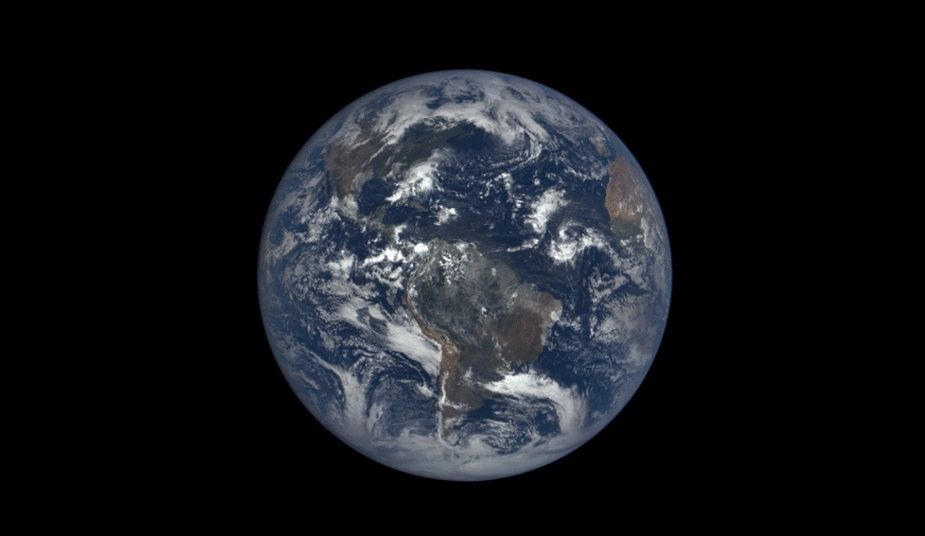
Earth Faces Unprecedented Heat Crisis as 2024 Shatters Temperature Records

According to a report published on October 29, 2025, the year 2024 was likely Earth's hottest in at least 125,000 years, surpassing even the peak of the last interglacial period. This comes after 2023 was previously considered the warmest year in human history, and 2024 capped a decade of record-breaking heat fueled by human-caused climate change.

The study, led by researchers at Oregon State University, found that 22 of 34 measurable indicators of Earth's health, including greenhouse gas levels, ocean heat, sea ice, and deforestation, have reached record extremes. The authors warn that these trends suggest humanity is in a "state of ecological overshoot," consuming the planet's resources faster than they can be replenished.

Despite the grim outlook, the report stresses that solutions exist, and there is still time to act. Rapidly scaling renewable energy, especially solar and wind, is seen as "the single most powerful lever" to curb the crisis. The researchers express hope in nature's resilience and human ingenuity, stating that "Earth systems can recover if given the chance."


Disclaimer: This story has been auto-aggregated and auto-summarised by a computer program. This story has not been edited or created by the Feedzop team.
According to the report, 2024 was likely the hottest year on Earth in at least 125,000 years.
The study found that 22 of 34 measurable indicators of Earth's health, including greenhouse gas levels, ocean heat, sea ice, and deforestation, have reached record extremes.
The report states that rapidly scaling renewable energy, especially solar and wind, is likely the single most powerful lever to address the crisis.

Read more news on

Environmentside-arrowEarthside-arrow

You may also like

Idaho Killer Seeks Contact with Serial Killers

6 Dec • 7 reads

article image

Quadruple Killer Complains About Prison Food

27 Nov • 34 reads

article image

Drugs Reshape Gut Buffet, Fueling Cancer Risk

19 Nov • 120 reads

article image

Climate Crisis Puts Wine, Coffee, and Chocolate Crops at Grave Risk

6 Nov • 101 reads

article image

Humanity's Fate Sealed as Sun Set to Swallow Earth in 5 Billion Years

10 Nov • 111 reads

article image