Home / Environment / Bluebells Bloom Early in Norfolk Woodlands
Bluebells Bloom Early in Norfolk Woodlands
3 May
Summary
- Bluebell blooms have appeared early at Blickling Estate due to warm spring weather.
- The presence of bluebells indicates ancient woodland, over 400 years old.
- It is illegal to pick or uproot protected British bluebells under the 1981 Act.
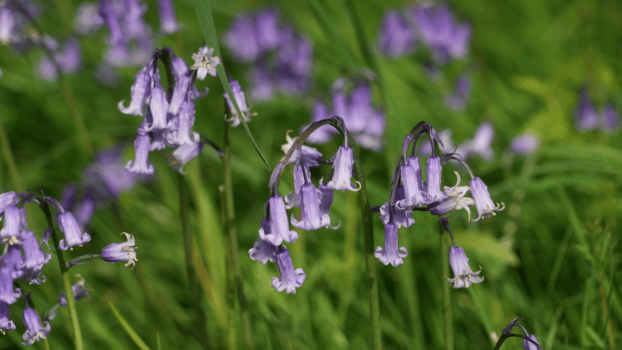
The 'immense beauty' of bluebells has sprung early at Blickling Estate near Aylsham, Norfolk. This early blooming is attributed to unusually fine weather and a lack of frost during the initial months of the year. Ranger Elissa Healey noted that changing climates and weather patterns significantly influence when these flowers appear.
The National Trust emphasizes that bluebells signify ancient woodlands, present in the landscape for at least 400 years. Blickling Estate's staff actively manage its woodland, pruning brambles to allow the bluebells optimal light before tree canopies fully develop. This year's display is described as 'incredible,' 'dense,' and 'so blue.'
Preserving the native British bluebell is a priority, as it faces competition from the faster-spreading Spanish bluebell. Unlike the Spanish variety, which matures quickly, English bluebells take five to seven years to grow from seed to a fully formed plant. The bluebells are protected under the Wildlife and Countryside Act 1981, making it illegal to pick or uproot them.
The woodland, buzzing with insects and visitors on sunny afternoons, requires careful management. Efforts include clearing brambles in November and crucially, ensuring visitors and dogs do not trample the delicate flowers. This dedicated stewardship ensures the stunning bluebell display can be appreciated each year.


