Home / Environment / Birds Arrive Early: Salt Pans a Vital Stopover
Birds Arrive Early: Salt Pans a Vital Stopover
20 Sep
Summary
- Migratory birds, especially waders, arrived early at Kanniyakumari's salt pans.
- Several ringed birds, including Tibetan Plovers, were sighted, confirming their return.
- Salt pans are crucial resting and feeding grounds along the Central Asian Flyway.
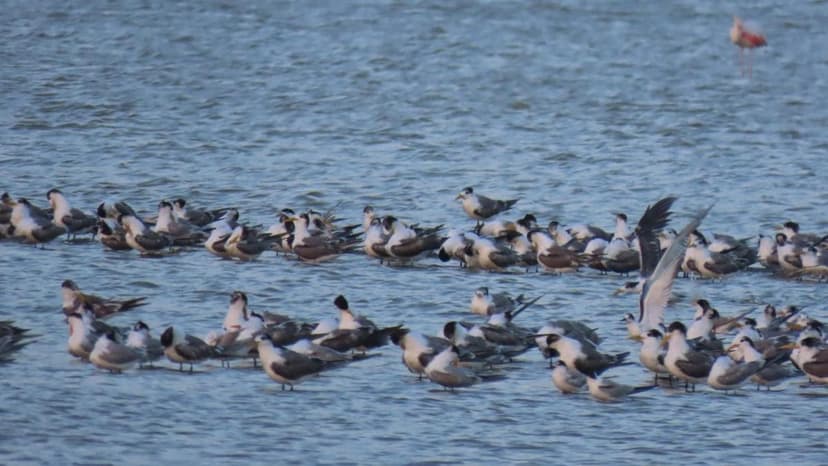
Migratory waders and terns have begun their arrival at the salt pans in Kanniyakumari district earlier than usual this year. These essential wetlands, including Puthalam, Andivilai, and Swamithoppu, provide critical feeding and resting grounds for birds traversing the Central Asian Flyway. The early arrival, noted by experts from the Bombay Natural History Society and Migratory Bird Monitoring Trust, commenced at the end of July, several days ahead of the typical mid-August timeframe.
Further reinforcing the significance of these sites, several birds that were ringed last year have been resighted. Species identified among the returning migrants include Tibetan Plovers, Red Shanks, and Little Stints. Notably, a bar-tailed godwit, known for its exceptionally long migratory journeys, was also recorded, highlighting the salt pans' role as a key wintering habitat for many wader species. Ornithologists emphasize the importance of protecting these areas from disturbance, particularly from visitors and birdwatchers whose activities could disrupt the birds' essential rest and feeding cycles.
While the number of waders initially observed may decline, an increase is anticipated with the onset of the northeast monsoon. These salt pans serve not only as a stopover but also as a terminal wintering habitat for numerous migratory species before they continue their southward journey to destinations like Sri Lanka and Australia. The repeated sightings of ringed birds serve as a strong testament to the regularity and importance of these salt pans as crucial stopover points and seasonal habitats for migratory avian populations.


