Home / Environment / E-Waste Solution: Turning Trash into Treasure
E-Waste Solution: Turning Trash into Treasure
14 Mar
Summary
- RIT study found inadequate separation of waste and reusable electronics in Ghana.
- Lack of clear standards complicates e-waste enforcement and creates risks.
- UN report will recommend policies for better electronics quality and design.
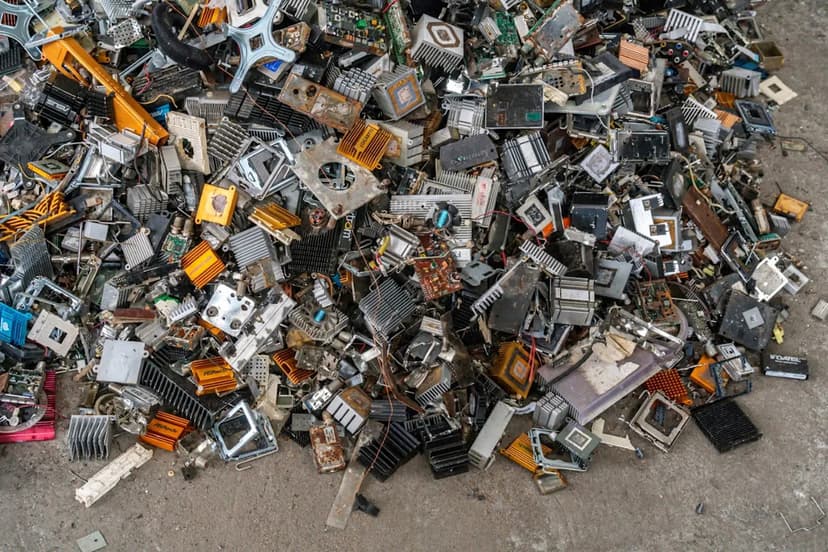
Researchers at the Rochester Institute of Technology have identified a significant issue with how electronic waste is handled, particularly concerning shipments to Ghana. Their findings indicate a lack of clear standards for differentiating between non-functional electronics and those that could be reused or repaired.
This ambiguity in qualifying reusable versus non-functional e-waste creates complications for enforcement and can lead to unintended negative consequences. These include potential fire hazards for disposal personnel and contamination of local water supplies.
However, the study emphasizes that banning the import of e-waste is not the solution, as many discarded electronics retain substantial functional value. An upcoming United Nations report, to which the study authors contributed, will propose policy recommendations focused on enhancing electronics quality and design standards.
These policies aim to ensure that discarded electronics leaving countries like America can be fully utilized for their remaining value. The goal is to minimize both the humanitarian and environmental costs associated with e-waste, while also capturing economic benefits from secondary markets and critical mineral recovery.