Home / Environment / Wolves Roar Back: Netherlands Faces Predator Dilemma
Wolves Roar Back: Netherlands Faces Predator Dilemma
27 Nov
Summary
- Netherlands wolf population under 150, causing livestock losses.
- Government plans to permit culling of certain wolves.
- Farmers lose livestock, citing significant financial impact.
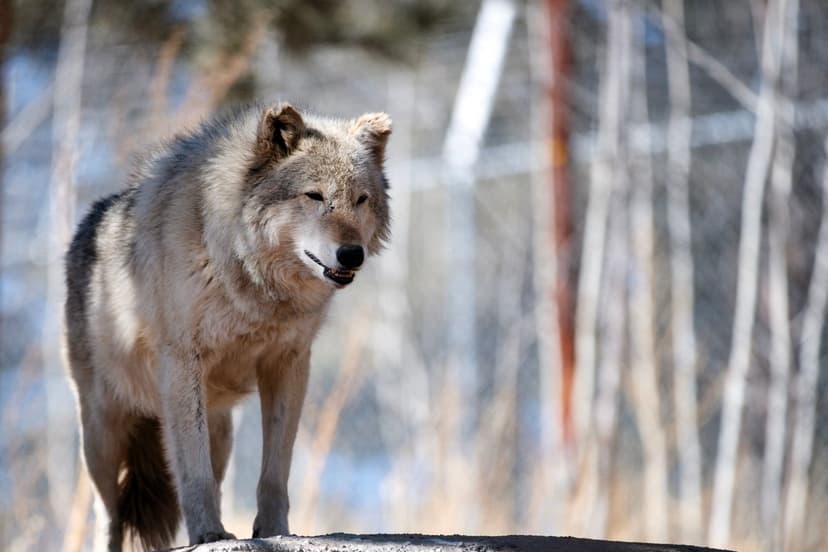
The return of wolves to the Netherlands, absent for two centuries, has transitioned from a conservation success story to a contentious issue. Despite a modest population estimated below 150 animals across 15 packs, their presence has resulted in fatal livestock attacks and concerning human encounters.
Farmers are bearing the brunt, with one reporting over 250 sheep lost in more than 50 attacks, leading to substantial financial claims and forcing some to keep livestock indoors. Last year, an estimated 3,300 animals, primarily sheep, were killed by wolves, costing farmers nearly 1.5 million euros in compensation.
The Dutch government announced plans to allow the culling of specific wolves, citing an increase in serious incidents and the need to mitigate risks to both livestock and humans. This move follows a broader EU decision to reclassify wolves from 'strictly protected' to 'protected' status, allowing for more flexible management.
The escalating conflict over wolves has become another fault line in a society already grappling with protests over nitrogen emissions and asylum seekers. Experts suggest the wolf issue is being exploited to deepen existing societal divisions, providing 'fuel' for ongoing polarization.
Conservation groups view wolves as an enrichment to nature but emphasize the need for coexistence strategies. However, the challenges are evident, from impacting protected landscapes in national parks by eliminating prey like mouflons, to incidents involving public encounters. Despite illegal killings and ongoing debates, ecologists maintain that wolves have a rightful place, posing the ultimate question of human willingness to share the landscape.

 Home
 Your Topics
 Your Bookmarks
 India
 Arts and Entertainment
 Business and Economy
 Crime and Justice
 Disasters and Accidents
 Education
 Environment
 Health
 Lifestyle
 Science
 Sports
 Technology
 War and Conflict
 Weather


