Home / Environment / Dust Bowl Trees: 90 Years Later, Still Saving Farms
Dust Bowl Trees: 90 Years Later, Still Saving Farms
25 Jul
Summary
- Over 90 years ago, trees were planted to combat Dust Bowl erosion.
- These shelterbelts stabilized farmland and benefited biodiversity.
- Many shelterbelts remain vital, supporting ecosystems and resilience.
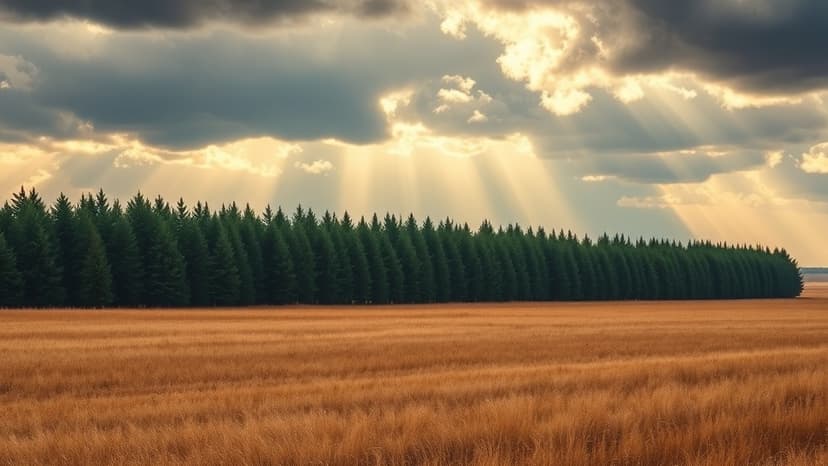
In the 1930s, the Great Plains faced an environmental crisis known as the Dust Bowl, exacerbated by intensive farming practices and drought. To combat severe wind erosion and protect farmland, the U.S. government launched the Prairie States Forestry Project. This initiative planted millions of trees, creating extensive shelterbelts from Texas to Canada.
These shelterbelts, many of which are nearly a century old, continue to offer significant environmental benefits. Research indicates they remain crucial infrastructure, minimizing wind speeds to prevent soil erosion, conserve moisture, and protect crops. Beyond their agricultural advantages, these tree rows support biodiversity, provide wildlife habitats, and sequester carbon, a benefit increasingly vital amidst climate change.
Despite their enduring importance, many original shelterbelts have been degraded or removed, with no unified monitoring program in place. Researchers are now working to preserve historical records to better track their condition. The legacy of the Dust Bowl tree-planting program serves as a powerful example of nature-based solutions, highlighting the long-term value of ecological restoration and sustainable land management practices.


