Home / Environment / Drowned Villages Resurface: Derbyshire's Atlantis Revealed
Drowned Villages Resurface: Derbyshire's Atlantis Revealed
31 Oct
Summary
- Derwent and Ashopton villages submerged in 1943 to create Ladybower Reservoir
- Remains of villages reappear during droughts, attracting record-breaking visitors
- Demolition of 17th-century Derwent Hall and other historic buildings sparked outrage
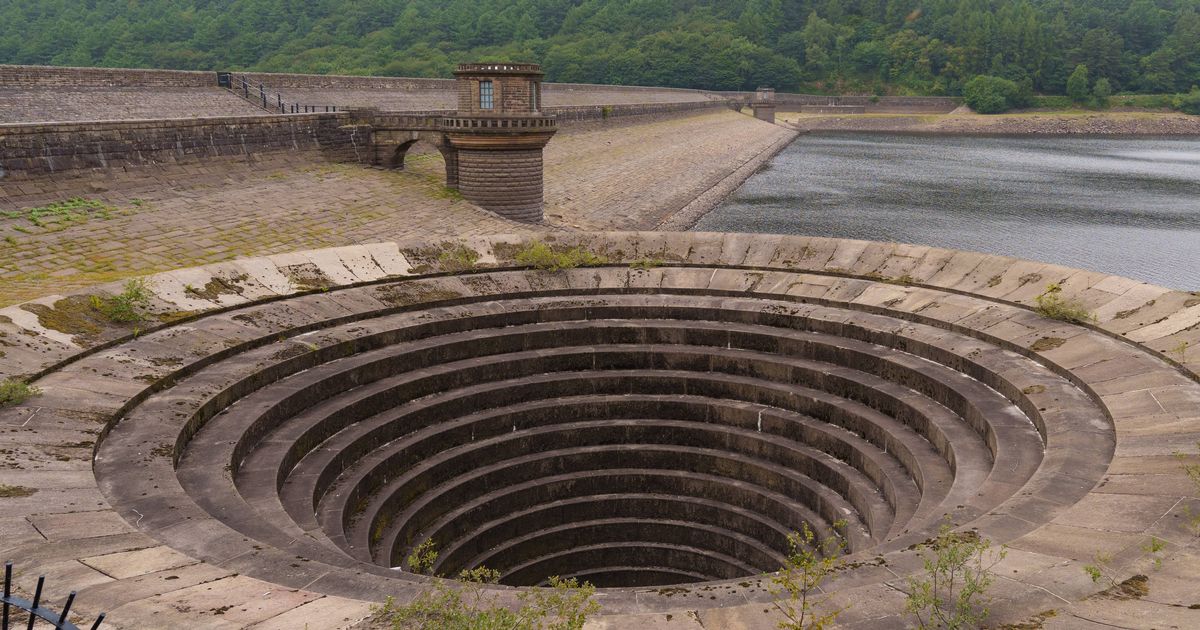
In 1943, the picturesque villages of Derwent and Ashopton in Derbyshire's Peak District were deliberately submerged to create the Ladybower Reservoir. The decision, made by the Derwent Valley Water Board, was met with fierce opposition from local residents who were forced to abandon their homes and way of life.
The villages, which dated back to the 17th century, were once thriving communities with historic buildings, including the impressive Derwent Hall and the spired St. John and St. James church. However, the authorities insisted that more water was needed to serve the growing populations of Derby, Nottingham, Leicester, and Sheffield, and construction of the dam began in 1901.
Despite the protests, the buildings of Derwent and Ashopton were purchased and the villagers were relocated to an estate at Yorkshire Bridge. The final church service in Derwent must have been a heartbreaking moment, as the residents gave up their entire way of life.