Home / Environment / Drought Worsens Hydropower's Hidden Pollution Problem
Drought Worsens Hydropower's Hidden Pollution Problem
1 Mar
Summary
- Droughts cause hydropower declines, leading to increased dirty energy use.
- Hydropower's decline has emitted 121 million metric tons of carbon since 2001.
- Reducing global heating is crucial to lessening drought's impact on energy.
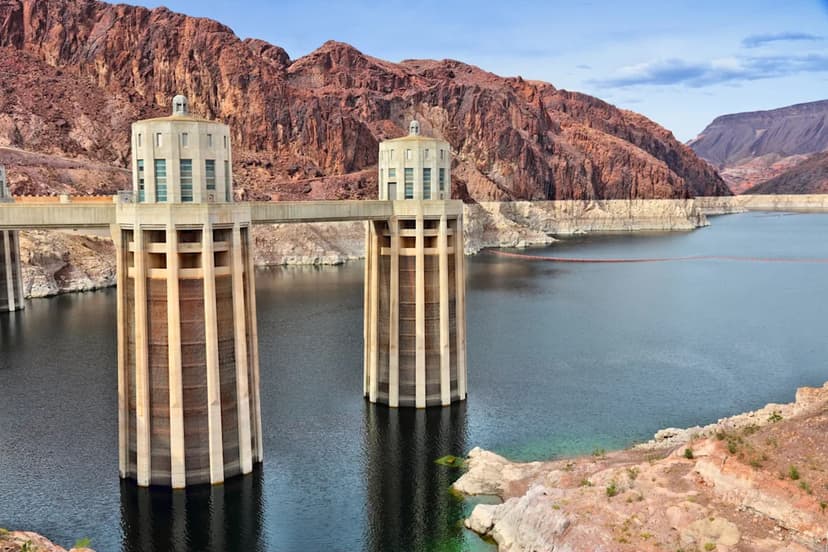
Global heating is intensifying drought conditions, highlighting a significant environmental consequence of hydroelectric power generation. While hydropower is a source of sustainable energy with low pollution, recent studies reveal persistent issues. When water levels drop due to drought, hydroelectric power output decreases, leading to an increase in carbon emissions as demand is met by oil and gas plants.
Between 2001 and 2021, the decline in hydropower has been linked to an additional 121 million metric tons of carbon emissions. This surge in dirty energy pollution can be substantial, with some regions experiencing up to a 30% increase during dry spells. The interconnectedness of energy grids means climate shocks in one area can impact distant regions, necessitating a global approach.
Addressing this challenge requires a reduction in planet-warming pollution to mitigate extreme weather events like droughts. While renewable sources like solar and wind power are vital, their intermittency means that battery storage is crucial. Increasing renewable energy adoption can lessen dependence on a grid often powered by fossil fuels, offering a pathway toward more resilient and cleaner energy systems.