Home / Environment / Dredging Drives Rapid Transformation of North Carolina's Coastal Forests
Dredging Drives Rapid Transformation of North Carolina's Coastal Forests
10 Nov
Summary
- Dredging activities since 1800s cause saltwater intrusion, killing bald cypress trees
- Researchers study tree rings and sediment to track shift from freshwater to saline environment
- Loss of bald cypress threatens wetland's ability to control floods and filter water
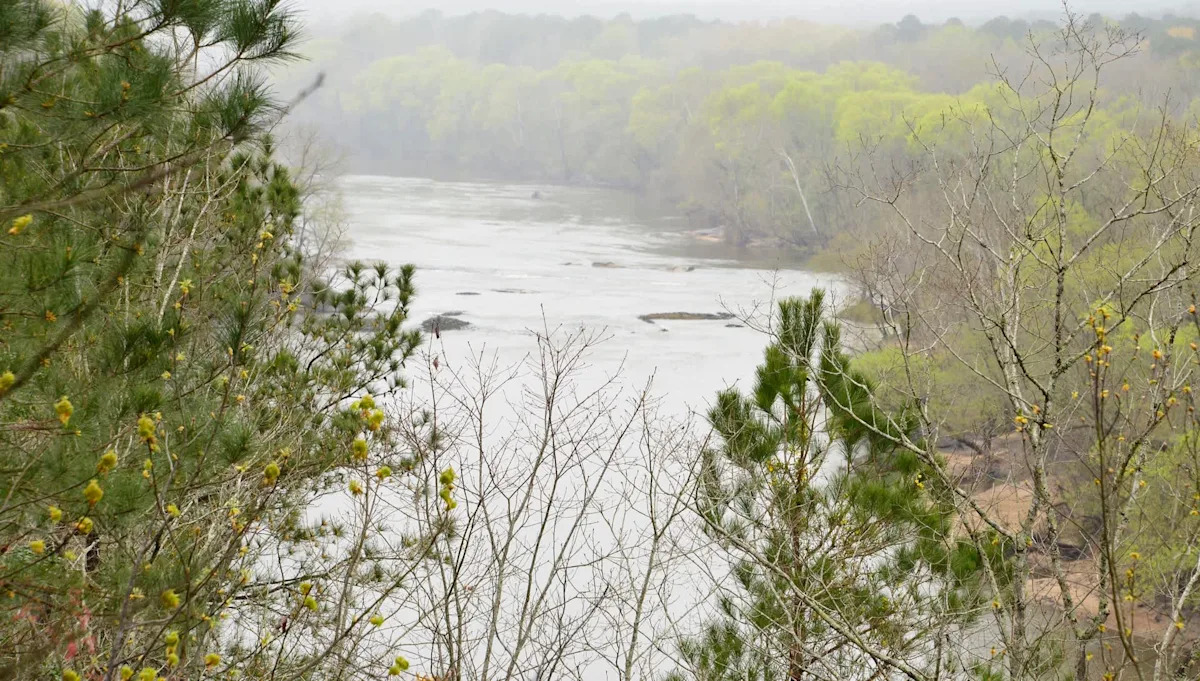
In 2025, researchers in North Carolina have uncovered a surprising cause behind the formation of "ghost forests" in the state's coastal regions. While climate change and sea-level rise are often blamed for the eerie phenomenon, a team from the University of North Carolina Wilmington has found that dredging activities dating back to the late 1800s are a major culprit.
The researchers studied the forested freshwater wetlands along the Cape Fear River, which are primarily composed of bald cypress trees adapted to low salinity levels. However, many ghost forests have formed around Smith Creek, a tributary that has seen extensive dredging over the decades. The dredging has caused saltwater intrusion, stressing and killing countless bald cypress trees.