Home / Environment / Dredged Mud Revives Dying Saltmarshes
Dredged Mud Revives Dying Saltmarshes
23 Feb
Summary
- Dredged mud is used to restore eroding saltmarsh vital for coastal defense.
- This innovative scheme protects Lymington Harbour's economy and marine life.
- Rapid recolonization by plants astonished project leaders within months.
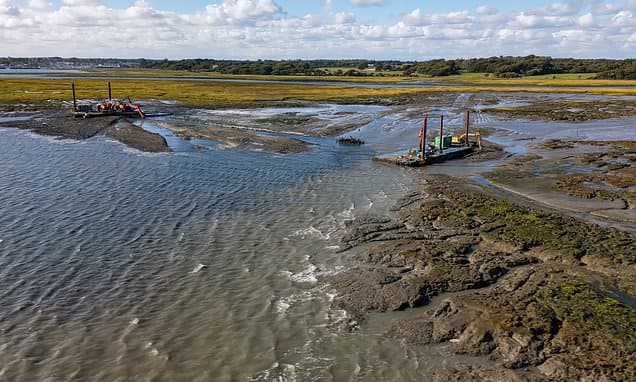
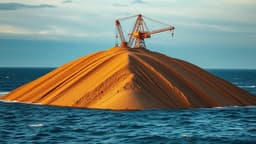
Dredged mud from Lymington Harbour on England's south coast is being ingeniously repurposed to restore eroding saltmarshes, a vital natural barrier against rising sea levels. This pioneering project, led by Lymington Harbour Commissioners and Land & Water Group, aims to safeguard the harbour's significant economic contributions and its rich marine biodiversity.
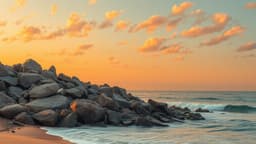
The saltmarsh, which has been eroding at a rate of two to three meters annually due to climate change impacts, is critical for protecting the harbour's ferry links and numerous leisure moorings. Traditional methods of slowing erosion have been supplemented by this new approach, which focuses on depositing dredged sediment at an optimal height for plant recolonization.
Remarkably, trials have shown that saltmarsh vegetation can rapidly colonize these restored areas, with pioneer species appearing and creating exciting habitats within just one winter. This innovative use of dredged sediment, a material often dumped offshore, offers a potentially more cost-effective and scalable solution for conserving threatened saltmarshes across the UK.
The scheme is supported by the Crown Estate, aligning with its nature-centric principles for marine estate management. Its success at Lymington offers a promising model for similar coastal areas facing erosion and the challenges posed by a changing climate, potentially revolutionizing coastal defense strategies.