
Home / Environment / Dragonflies Thrive in Delhi's Revived Biodiversity Parks
Dragonflies Thrive in Delhi's Revived Biodiversity Parks
26 Sep, 2025
Summary
- Annual dragonfly and damselfly survey underway in Delhi's biodiversity parks
- Dragonflies and damselflies are bioindicators of ecosystem health
- Flood impacts have led to sightings of new dragonfly species in the region
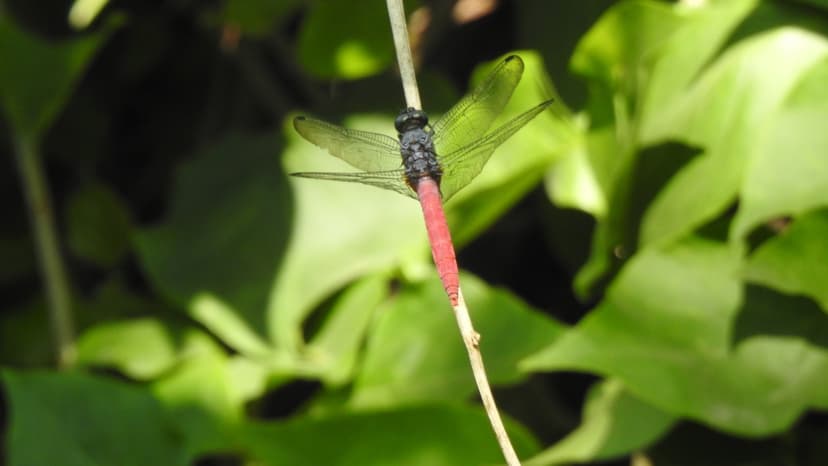
In September 2025, a group of students from Delhi University's Shyama Prasad Mukherji College for Women are carrying out a three-day survey to count the number of dragonflies and damselflies across seven biodiversity parks in Delhi. This annual exercise, which was previously conducted in 2018, 2022, 2023, and 2024, aims to assess the health of the city's ecosystems.
Dragonflies and damselflies are crucial bioindicators of ecosystem health, as they rely on clean water and diverse habitats for their breeding and larval stages. These insects play a vital role in the ecosystem, acting as both predators and prey. As predators, they feed on mosquitoes and other small insects, helping to control pests and safeguard human health. As prey, they support birds, frogs, and other wildlife, forming an essential link in the food web.
Entomologist Mohammad Faisal explains that the recent flood-like situation in the capital has impacted the local ecology, potentially leading to the sighting of new dragonfly species in the region. These species may have migrated from upstream areas such as Panipat, Saharanpur, and Dehradun. The final count of the survey will provide a clearer picture of the changes in the dragonfly and damselfly populations.
Experts also emphasize the importance of dragonflies in controlling the rising cases of dengue in Delhi. The restoration of the Kamla Nehru Ridge has transformed the degraded landscape into a model of ecological revival, creating multiple microhabitats that are crucial for sustaining dragonflies and damselflies.
