Home / Environment / Parasite Warning: Dog Health Risk Near Lakes Mead & Mohave
Parasite Warning: Dog Health Risk Near Lakes Mead & Mohave
11 Feb
Summary
- Freshwater parasite Heterobilharzia americana found near Lakes Mead and Mohave.
- Parasite eggs detected in raccoon feces, indicating local wildlife circulation.
- Infection risk to dogs appears low due to rare host snails and limited habitat.
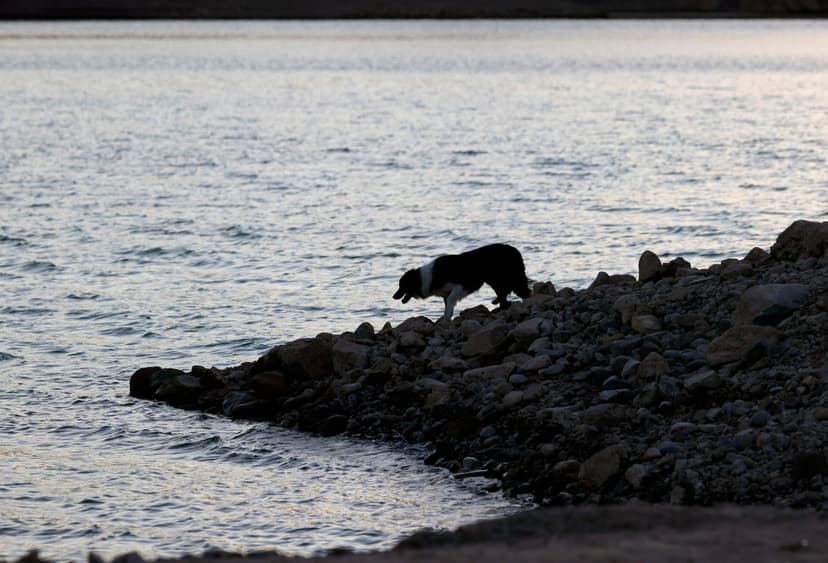
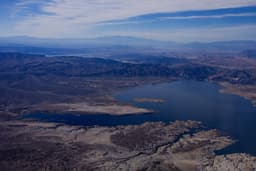
A potentially fatal freshwater parasite, Heterobilharzia americana, has been detected in the vicinity of Lakes Mead and Mohave. This marks a spread from its traditional range in the southern United States. Researchers from the National Park Service identified parasite eggs in raccoon fecal samples collected around the lakes, confirming local circulation in wildlife populations.
The survey was prompted by reports of dogs contracting canine schistosomiasis after exposure to the Colorado River near Blythe, California. Although three snail species capable of hosting the parasite were identified, these snails were found to be rare in the lakes. Furthermore, their preferred habitat, such as emergent vegetation, is limited.
These factors, combined with the rarity of the intermediate host snails, suggest a low probability of dog infections in Lakes Mead and Mohave. While no infected snails were found, the presence of parasite eggs in raccoons indicates the parasite is active in the area. Veterinarians historically may not have screened for this condition, potentially leading to underdiagnosis.