Home / Environment / Dishwasher Pods Raise Environmental Concerns: Experts Warn of Lingering Plastic Residues
Dishwasher Pods Raise Environmental Concerns: Experts Warn of Lingering Plastic Residues
10 Oct, 2025
Summary
- Dishwasher pods use a water-soluble film that may not fully break down
- Residues of the film could flow into waterways, soil, and oceans
- Experts argue the film can behave like microplastics if not fully decomposed
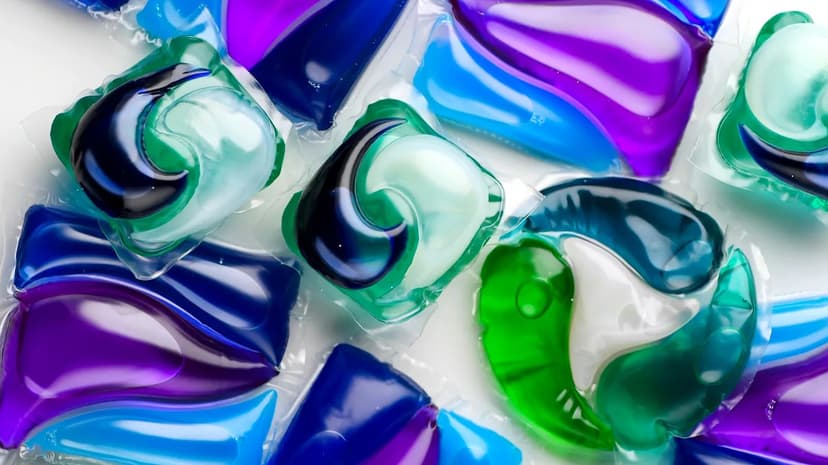
As of October 10th, 2025, dishwasher pods have become a common household item, offering a convenient alternative to traditional powdered or liquid detergents. However, a recent study published in the International Journal of Environmental Research and Public Health has raised concerns about the environmental impact of these pods.
The pods are coated in a film called polyvinyl alcohol (PVA), a synthetic polymer designed to dissolve in water. While manufacturers claim the film is water-soluble and biodegradable, the study found that wastewater treatment plants are not always optimized to fully break down these polymers. This means residues of the PVA film could potentially flow into rivers, soil, or the ocean, even though the pods perform as intended in the dishwasher.
Environmental experts argue that these residues, though not technically classified as microplastics, can behave similarly if they linger in ecosystems without complete decomposition. The concern is not necessarily about immediate toxicity, but rather the long-term accumulation of these materials in open waterways.
As consumers continue to weigh the convenience of dishwasher pods against their potential environmental impact, some are turning to alternative options, such as powdered or liquid detergents without the PVA film, or newer plastic-free products like detergent sheets or tablets in compostable wrappers. Until more research provides clearer answers, the debate over the true environmental footprint of dishwasher pods remains an ongoing discussion.


