Home / Environment / Diesel vs. Gas: Which Engine Pollutes More?
Diesel vs. Gas: Which Engine Pollutes More?
18 Oct
Summary
- Diesel engines produce 10% less CO2 than gas per gallon burned.
- Nitrogen oxides (NOx) are significant pollutants from diesel engines.
- Modern diesel cars can emit less particulate matter than gas cars.
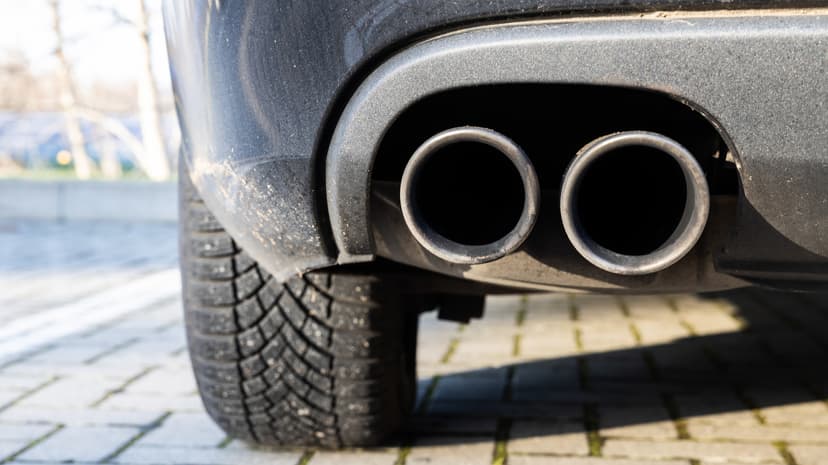
The debate over which engine type, diesel or gasoline, pollutes less is complex. Historically, diesel engines were perceived as dirtier due to smoky exhaust, despite offering greater efficiency and lower carbon dioxide (CO2) output. For every gallon burned, diesel produces approximately 10% less CO2 than gasoline. However, diesel engines also generate more nitrogen oxides (NOx) due to their combustion process involving compression ignition and high air intake.
Regulations like the Clean Air Act, introduced in 1970, have targeted pollutants such as NOx and particulate matter, with diesel emissions declared carcinogenic in 2012. Technological advancements, including catalytic converters for gasoline engines (since 1976) and diesel particulate filters (DPFs) mandatory on most diesel vehicles from 2009, have drastically improved air quality. Further regulations on fuel sulfur content have also contributed to reduced emissions.
Modern engine technology has narrowed the pollution gap. While diesel engines typically require systems like DPFs and urea-based AdBlue for NOx reduction, a 2017 study indicated that modern diesel cars with DPFs can emit less carbonaceous particulate matter than gasoline cars. Experts suggest that the combination of engine design and abatement technology is more critical than fuel type alone in determining a vehicle's cleanliness.


