Home / Environment / Pigs Power Denmark: Biogas for National Grid
Pigs Power Denmark: Biogas for National Grid
17 Nov
Summary
- Danish pig waste is converted into biogas for the national grid.
- About 70 percent of biogas comes from pig and cattle manure.
- Denmark leads Europe with 40 percent biogas in its gas grid.
Denmark is at the forefront of an energy transition, converting livestock manure, particularly from its substantial pig population, into biogas that powers the national grid. Facing challenges managing over 17 million tonnes of annual manure, Denmark has established around 150 industrial-scale biogas plants, with 70 percent of their input derived from pig and cattle waste.
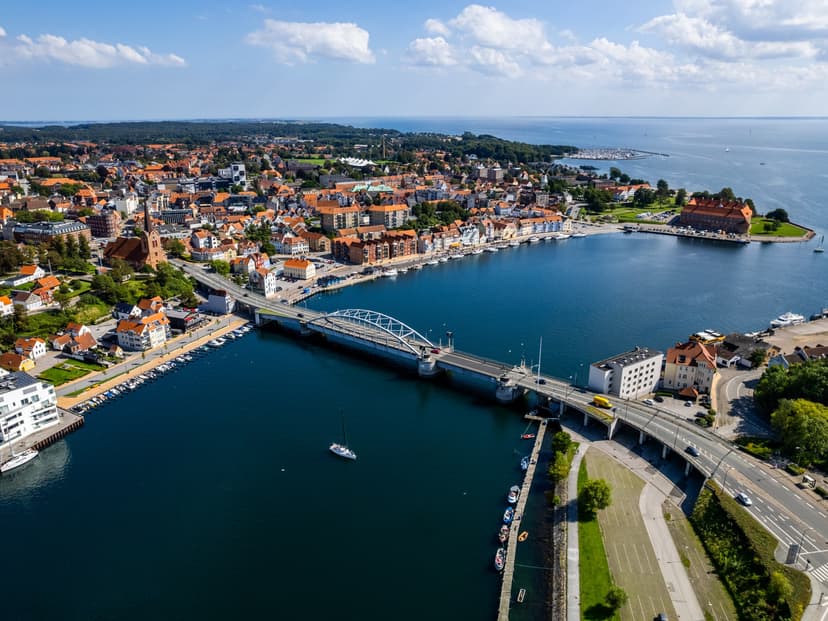
This effort has positioned Denmark to have Europe's highest share of biogas in its gas grid, at approximately 40 percent, offering crucial energy independence amid global market volatility. Initiatives like ProjectZero in Sonderborg aim for carbon neutrality by 2029, significantly cutting emissions through renewables and biogas.
While the biogas strategy offers climate and energy security benefits, some critics argue it props up intensive factory farming, suggesting resources could be better allocated to wind, solar, and geothermal energy. However, industry groups emphasize biogas's role in mitigating agricultural emissions and providing immediate climate solutions.
Innovative approaches, such as carbon capture units at agricultural colleges that convert captured CO2 into marketable products, are also being explored. These advancements aim to transform farming from a pollution source into a sustainable and profitable part of the energy solution.


