Home / Environment / Delhi Drains Get In-Situ Treatment Overhaul
Delhi Drains Get In-Situ Treatment Overhaul
28 Jan
Summary
- Five Delhi drains will undergo in-situ treatment to reduce Yamuna pollution.
- The project is estimated to cost over ₹30 crore.
- Experts express skepticism about the project's long-term success.
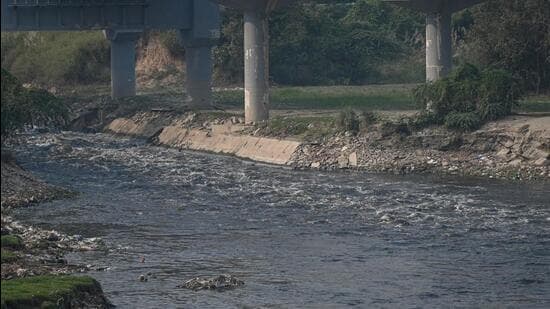
The Delhi Jal Board (DJB) has initiated a significant project to treat five key drains and their sub-drains in-situ before they flow into the Yamuna River. This undertaking includes drains located at Delhi Gate, ISBT, Defence Colony, Sen Nursing Home, and No. 12A. The project is projected to cost upwards of ₹30 crore, with substantial allocations for the Delhi Gate drain (₹21 crore) and other identified locations.
In-situ wastewater treatment involves purifying sewage and effluent directly at its source, unlike traditional methods that transport waste to centralized facilities. This process utilizes biological, physical, and chemical methods to remove contaminants. Agencies involved will have five months for project preparation and commissioning, followed by a three-year operational responsibility.
Despite these efforts, some experts have raised concerns, suggesting that in-situ treatment might be a waste of resources without addressing the root causes of drain pollution. Past similar initiatives in Varanasi reportedly yielded limited success. Experts advocate for a holistic approach, involving citizen consultation and comprehensive drain tapping, to tackle issues ranging from sewage to industrial chemical dumping.
The pollution levels in these drains are alarmingly high, as indicated by recent Delhi Pollution Control Committee reports. For instance, the ISBT drain recorded high levels of total suspended solids (TSS), chemical oxygen demand (COD), and biochemical oxygen demand (BOD). The Sen Nursing Home drain showed even more severe pollution metrics. These elevated levels signify significant water quality degradation, with lower values generally indicating better conditions.
Currently, the DJB faces challenges in treating the entire volume of sewage generated by Delhi, leading to a considerable amount entering the Yamuna. To address this, the government is expanding sewage treatment capacity by connecting more households and setting targets to double treatment capacity within three years. In-situ treatment is being explored as a supplementary strategy alongside the establishment of larger Sewage Treatment Plants (STPs).