Home / Environment / Delhi's Extreme March: Hottest, Wettest, Most Polluted in Years
Delhi's Extreme March: Hottest, Wettest, Most Polluted in Years
31 Mar
Summary
- Delhi experienced its most polluted March in four years in 2026.
- March 2026 saw record-breaking temperatures and increased rainfall.
- Gaseous pollutants like ozone became more prominent this March.
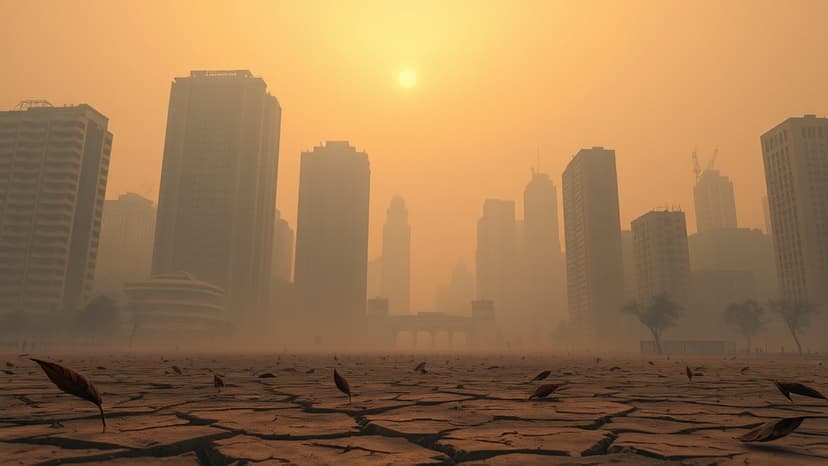
Delhi experienced an unprecedented March in 2026, marked by a convergence of extreme weather and air quality issues. The month recorded its most polluted March in four years, with an average Air Quality Index (AQI) of 181. This period saw 22 'moderate' and eight 'poor' air quality days, indicating a significant deterioration in air quality compared to previous years.
Weather patterns also contributed to the extreme conditions. March 2026 was one of the hottest in recent memory, with the average maximum temperature reaching 32.6 degrees Celsius. Furthermore, the month was the wettest in three years, recording 19.82 mm of rainfall. This unusual combination of heat and rain was attributed to late afternoon showers and scattered weather systems, including six western disturbances affecting northwest India.
Experts highlighted a shift in pollution composition, with gaseous pollutants like ozone playing a more prominent role. Ozone was the dominant pollutant for 16 days, alongside increased concentrations of carbon monoxide and nitrogen dioxide. This trend underscores the growing importance of addressing both particulate and gaseous pollutants to tackle Delhi's year-round air quality challenges effectively.


